BLOG
Ski Season Ready: Injury Prevention and Knee Strength for the Slopes
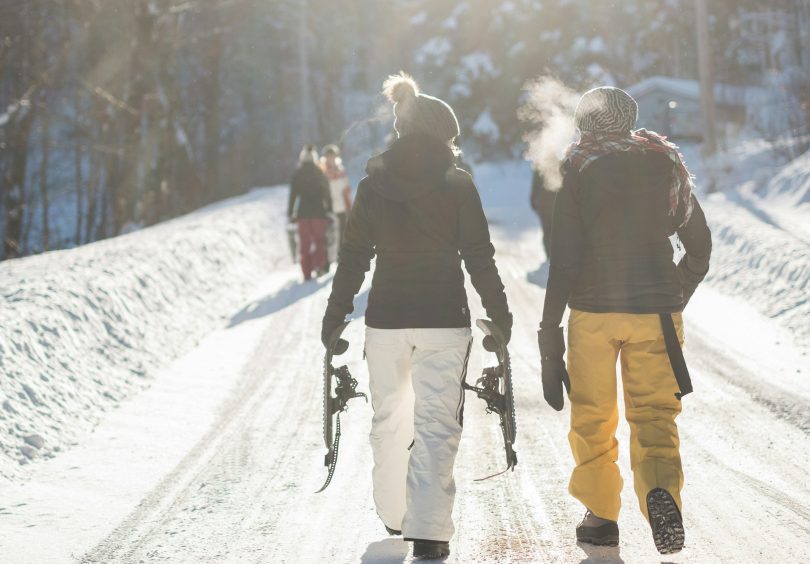

How to prepare your body – and especially your knees – before you hit the snow, from the team at Malvern Physiotherapy Clinic.
With the Australian ski season getting underway, plenty of locals across Malvern, Malvern East, Armadale, Toorak and Glen Iris are dusting off their gear for trips to Mount Buller, Falls Creek, Hotham or further afield. Skiing and snowboarding are fantastic ways to stay active through winter – but they also place real demands on the body, particularly the knees. The good news is that preparing in the weeks before your trip can help you feel stronger, ski with more control and reduce your risk of injury.
This guide covers the most common ski injuries, why knees are so vulnerable, and the strength and conditioning that can help you get slope-ready. As always, the advice below is general – your physiotherapist will assess your individual needs and tailor any programme to you.
Knee injuries are the most common injuries in skiing, especially to the anterior cruciate ligament (ACL) and medial collateral ligament (MCL). Other frequent injuries include ‘skier’s thumb’, shoulder injuries, wrist fractures (more common in snowboarders) and head injuries.
Snow-sport injuries tend to follow some recognisable patterns:
Knees stand out because they bear the brunt of the twisting, turning and absorbing forces that skiing demands, which is why knee strength and control are such a worthwhile focus before a trip. The anterior cruciate ligament (ACL), a key stabilising ligament of the knee, is especially vulnerable to the twisting falls that are common in skiing.
Skiing places significant rotational and braking forces through the knee because the foot is secured in a rigid boot attached to skis. These skis act as long levers, increasing the forces transmitted to the knee during turns, falls and sudden changes in direction.
Twisting falls, catching an edge and fatigue late in the day can all load the knee ligaments – particularly the ACL – beyond what they can manage, especially if the surrounding muscles are not well conditioned.
A few features of skiing combine to put the knee at risk:
Strong, well-conditioned muscles around the hip, thigh and knee – together with good balance and control – help the knee absorb these forces. This is where preparation makes a genuine difference.
Ideally, start a ski-specific strength and conditioning programme at least six to eight weeks before your trip. This gives your muscles time to adapt and build the strength, endurance and control that skiing demands. Even a few weeks of focused preparation is better than none.
Skiing asks a lot of your legs for hours at a time, often at altitude and in the cold. Building up gradually over several weeks helps your body cope with sustained effort, so you are less likely to fatigue early – and fatigue is closely linked to injury on the slopes.
Effective ski preparation focuses on building strength in the quadriceps, hamstrings and glutes, improving single-leg control and balance, and developing leg endurance. Helpful exercises include squats, lunges, step-downs, single-leg work, bridges and balance drills – progressed gradually and tailored to your ability.
The exercises below are commonly used to build ski-ready legs. Start at a level you can control with good technique, and progress gradually. If you have a current or past knee injury, have these checked first – a thorough assessment is important to determine what is appropriate for you.
For a step-by-step approach to loading the knee safely, see our guide on how to strengthen knees safely. A physiotherapist can help you build a programme matched to your fitness, history and goals.
Clinical Pilates can be a useful part of ski preparation. It focuses on core stability, leg strength, balance and movement control – all qualities that support better skiing and may help reduce injury risk. A physiotherapist-led programme can be tailored to your individual needs.
Skiing relies on a strong, stable trunk working together with the legs. Clinical Pilates emphasises controlled, precise movement and core stability, which can complement your strength work and help you move with more control on the slopes. It can be particularly helpful for those returning to skiing after a break or a previous injury.
On the mountain, you can reduce injury risk by warming up before you ski, choosing runs that match your ability, taking regular breaks, staying hydrated and fuelled, ensuring your equipment is correctly fitted, and stopping when you are tired – especially before that tempting ‘last run’.
Practical tips for the trip itself:
It’s worth seeing a physiotherapist before your trip if you have a history of knee or other injuries, ongoing pain or stiffness, or simply want a tailored strength programme. After skiing, see a physiotherapist if you have pain, swelling, instability or difficulty weight-bearing – particularly after a fall involving the knee.
Booking a pre-season assessment is a good idea if you:
If you injure yourself on the slopes, particularly your knee, an assessment when you return home can help confirm what’s going on and guide your recovery. Our sports physiotherapy team can assist with both preparation and rehabilitation. For general guidance on staying safe in sport, Sports Medicine Australia publishes practical injury-prevention resources.
If you injure your knee on the slopes, stop skiing and seek on-mountain medical help if available. Protect and rest the knee, and avoid weight-bearing if it is painful or unstable. Once home, arrange an assessment with a physiotherapist or doctor – early diagnosis helps guide the right management, particularly for ligament injuries such as the ACL.
Signs that warrant prompt assessment include significant swelling, a feeling that the knee ‘gave way’, an inability to straighten or bear weight, or hearing or feeling a ‘pop’ at the time of injury. While not every knee injury is serious, early assessment helps ensure ligament injuries are not missed and that your rehabilitation starts on the right footing. The Better Health Channel also outlines first-aid principles for sprains and strains.
No programme can remove the risk entirely, as falls and collisions can still happen. However, building strength, balance and control around the knee, skiing within your ability, managing fatigue and using well-fitted equipment may all help reduce your risk.
Skiing is demanding on the legs and cardiovascular system, but you don’t need to be an elite athlete. Building leg strength, endurance and balance in the weeks beforehand can help you ski with more control and enjoy your time on the snow with less fatigue.
It’s never too late to do something useful. Even a couple of weeks of focused leg strength, balance and conditioning is better than arriving unprepared. A physiotherapist can suggest a sensible short-term plan.
Ongoing or sharp knee pain, swelling or a feeling of instability are good reasons to stop and rest, and to have the knee assessed. Pushing through can risk turning a minor issue into a more significant one.
Whether you’re heading to the Victorian alps or overseas this season, a little preparation goes a long way. Treatment recommendations will depend on your individual presentation, following a thorough assessment. Our physiotherapists at Malvern Physiotherapy Clinic in Malvern East can assess your strength, balance and movement, and build a ski-specific programme tailored to you – supporting skiers and snowboarders from across Malvern, Armadale, Toorak, Glen Iris and the wider Stonnington area.
To book a pre-season assessment or Clinical Pilates session, contact Malvern Physiotherapy Clinic or book online. A strong, well-prepared body helps you make the most of every run. You can also find a registered physiotherapist through the Australian Physiotherapy Association.
Mark Fotheringham – Principal Physiotherapist & Owner, Malvern Physiotherapy Clinic
Mark Fotheringham is the Principal Physiotherapist and Owner of Malvern Physiotherapy Clinic, which he established in 2012. He holds a Bachelor of Physiotherapy and has more than 20 years of clinical experience delivering evidence-based care in musculoskeletal and sports physiotherapy, with further training in conditions affecting the knee, hip, ankle, lumbar spine, neck and shoulder, as well as Clinical Pilates and dry needling.
Mark has extensive experience supporting active people and athletes. He served as Head Physiotherapist at Old Scotch Football Club for 10 years, and has worked with VFL representative teams, Victorian premier league soccer clubs and triathlon clubs, as well as performing injury screening for elite school swimming squads. This breadth of experience makes him well placed to help skiers and snowboarders prepare their bodies – and their knees – for the season ahead. Learn more about Mark and the team via our practitioner profiles.
Published June 22, 2026

Everybody will have experienced a time when they have an important event coming up, and the last thing they could possibly want is an injury. So, how can...
Learn More
Pain on the side of your hip? It could be due to trochanteric bursitis. This is the inflammation or swelling of the bursa (fluid-filled sack) that sits in...
Learn More
As cycling is a very repetitive sport, any injuries that occur tend to be related to overuse and can usually be attributed to inadequate bike setup, training volume...
Learn More
Written by Mark Fotheringham, Principal Physiotherapist, Malvern Physiotherapy Clinic There is no single right choice for everyone. Physiotherapy suits people wanting assessment, diagnosis and an evidence-based plan. Chiropractic...
Learn More
Discover everything you need to know about physiotherapy, what physiotherapists do, how they help, and when you should seek advice from a physio. Our warm and friendly team...
Learn More
Debunking Myths About Remedial Massage: How It Supports Pain Relief and Recovery Remedial massage is a powerful tool in managing pain, improving movement, and supporting recovery from...
Learn More
Osgood-Schlatter Disease Osgood-Schlatter Disease is a common condition that affects the knees, primarily in adolescents, particularly during growth spurts. It is characterised by pain, swelling and tenderness just...
Learn More
Bursitis is commonly diagnosed as the cause of pain in many areas of the body; you may have heard of it when people discuss their shoulder or hip....
Learn More
The Benefits of Physiotherapy for Seniors: Stay Strong, Mobile and Independent As we age, our bodies change – but that doesn’t mean strength, mobility or independence are out...
Learn More
An ankle sprain is one of the most common injuries affecting the foot and ankle, particularly during sport or when walking on uneven ground. It occurs when the...
Learn More
Can Stretching Reduce Muscle Injury Risk? What the Evidence Really Says Flexibility exercises are often recommended to improve movement, reduce tightness, and support recovery. However, many people...
Learn More
Chronic Pain and Physiotherapy: What You Need to Know Living with chronic pain can be exhausting. Unlike acute pain, which usually resolves as the body heals, chronic pain...
Learn More
Why Clinical Pilates is Perfect for Every Body Clinical Pilates is a fantastic option for exercise based rehab, as it offers a tailored, evidence-based method to help individuals...
Learn More
Managing Common Health Concerns with Physiotherapy Physiotherapy is an essential part of allied health care, offering a hands-on and evidence-based approach to managing a wide range of health...
Learn More
Dry Needling vs. Acupuncture: Key Differences, Similarities, and Where They Overlap If you’ve ever explored options for managing pain, muscle tightness, or chronic conditions, you’ve probably come across...
Learn More
Sports Injuries: Prevention, Recovery and Performance Sports injuries affect people of all ages, fitness levels, and abilities. While athletes often perform at higher levels of strength and function,...
Learn More
Understanding Running Injuries: Why They Happen and Where They Show Up Running places repetitive mechanical load through the same tissues, often thousands of times per session. Because...
Learn More
What is it? The fascia is a tough, fibrous connective tissue that supports the arch of the foot and transmits forces. It’s intricately attached to the heel, toes,...
Learn More
Total knee replacement (TKR) ranks among the most commonly performed orthopaedic surgeries, with over 50,000 procedures annually in Australia. This figure is projected to rise substantially in the...
Learn More
Understanding Australia’s Most Common Physiotherapy Conditions: What We See Every Day As physiotherapists here at Malvern Physiotherapy Clinic, we’re often asked about the types of conditions we treat...
Learn More
Understanding Inflammation: What It Is and How Physiotherapy Can Help Inflammation is a natural response in the body, playing a crucial role in healing and recovery. However, when...
Learn More
You may have heard about Pilates from a friend or even had a recommendation from your doctor. Pilates has gained immense popularity over the years. It offers a...
Learn More
Osteoarthritis is the breakdown and erosion of cartilage that overlies bone within a joint. This process results in inflammation within the joint, and is often felt as pain...
Learn More
How Can Real-Time Ultrasound Improve Muscle Activation and Recovery? At Malvern Physiotherapy Clinic, we use Real-Time Ultrasound (RTUS) as an assessment and rehabilitation tool to help patients...
Learn More
Sports injury prevention physiotherapy focuses on building strength, managing training load, prioritising recovery, and addressing early warning signs before minor issues become significant injuries. Research supports progressive strength...
Learn More
Finding the Best Physiotherapy Near You: A Local Guide If you’ve ever searched “physiotherapy near me” online, you’re not alone. In Australia, thousands of people search this term...
Learn More
Shoulder Pain Malvern: How Physiotherapy Can Help You Recover Shoulder pain can significantly impact your daily activities, from simple tasks like reaching overhead to more complex movements involved...
Learn More
Hamstring 101 for Footy Season: When to See a Physio and When to Rest A practical, evidence-informed guide for footballers across Malvern, Malvern East, Armadale, Toorak, Glen...
Learn More
Tradies and manual workers can prevent and manage back and shoulder pain by warming up before heavy work, lifting with the legs and keeping loads close to their...
Learn More
What is Osteoporosis? Osteoporosis is a medical condition diagnosed in individuals with low bone mineral density. The current definition is those with bone mineral density that is greater...
Learn More
Why Real-Time Ultrasound Is a Game-Changer for Muscle and Joint Health Real-Time Ultrasound (RTUS) has emerged as an innovative, highly effective tool in physiotherapy, transforming the way we...
Learn More
One of the most common questions we get as a diagnosing practitioner is “Do I need a MRI, I’ve been told I should get a scan?”. There is...
Learn More
Keith recently attended the Sporting Hamstring course conducted by Geelong Cats head physio Mark Young and AIS track and field physio Ben Raysmith and provides insight into how...
Learn More
How Technology like Hand-held Dynamometry is Changing Recovery Technological innovation is rapidly reshaping healthcare—and physiotherapy is no exception. One of the most significant advancements in recent years is...
Learn More
Our bones make slight changes to their architecture every day. This process is called remodelling and it occurs in response to the pressures and forces we put on...
Learn More
Clinical Pilates: Strengthening Your Core for Injury Prevention Clinical Pilates is a highly effective, physiotherapist-led approach to improving strength, stability and movement control. At Malvern Physiotherapy Clinic,...
Learn More
A pain in ones foot can start off as a small discomfort but after a day of walking, jogging, or even standing in high heels, a small issue...
Learn More
Relieve TMJ pain with expert physiotherapy at Malvern Physiotherapy If you’ve ever experienced pain, clicking, or difficulty moving your jaw, known as the temporomandibular joint or TMJ, you...
Learn More
If you’ve suffered a soft injury in the past – even a garden variety strain or sprain – chances are you’ve been advised to use the RICE method...
Learn More
One of the most influential recent developments in sports medicine’s understanding of human physiology has been grasping the effect that load has on tissue. When I speak of...
Learn More
Comparing Musculoskeletal and Sports Physiotherapy: Which One Do You Need? When seeking physiotherapy, it can be helpful to understand the different areas of expertise within the profession. While...
Learn More
How Pre and Post-Operative Physiotherapy Prepares Your Body for Surgery Introduction Undergoing surgery is a significant event, and ensuring your body is well-prepared can make a remarkable difference...
Learn More
One of the most common misconceptions when working with a physio is that your treatment is limited to your appointment. In fact, one of the most crucial elements...
Learn More
The Essential Role of a Specialist Physiotherapist in Your Rehabilitation When recovering from an injury or managing a complex musculoskeletal condition, expert care can make all the difference....
Learn More
A UK study found that at least ¼ of those aged over 55 years of age suffered persistent knee pain each year. A Finnish paper also found knee...
Learn More
Headaches and Neck Pain: How Physiotherapy Can Help Headaches and neck pain are a frustrating combination that can seriously impact your ability to work, exercise, and enjoy life....
Learn More
Are you suffering from a sore back? If so, you are not alone. Back pain is experienced by 70-80% of adults at some point in their lives. Fortunately,...
Learn MoreCan Stretching Reduce Muscle Injury Risk? What the Evidence Really Says Flexibility exercises are often recommended to improve movement, reduce tightness, and support recovery. However, many people...
Learn More
Why Bone Health Deserves Your Attention Bone density plays a critical role in long-term health and function — particularly for women. From adolescence through menopause and beyond, a...
Learn MoreWhat is it? The fascia is a tough, fibrous connective tissue that supports the arch of the foot and transmits forces. It’s intricately attached to the heel, toes,...
Learn MoreClinical Pilates: Strengthening Your Core for Injury Prevention Clinical Pilates is a highly effective, physiotherapist-led approach to improving strength, stability and movement control. At Malvern Physiotherapy Clinic,...
Learn More
Relieve Muscle Tension and Revitalize Your Body Are you tired of dealing with stubborn knots and annoying aches that just won’t go away? Look no further! Spikey massage...
Learn More
The foot typically has 28 bones, 33 joints, and more than one hundred muscles, tendons, and ligaments, making it a very complex moving structure. It also has two...
Learn More
Understanding and Managing Low Back Pain Low back pain is an incredibly common issue that affects around 80% of people at some point in their lives. Whether...
Learn More
Strength training is typically seen as a way to mould, shape and develop the human body. It achieves these changes through controlled loading of muscle, tendon and bone...
Learn More
“Do you think that my headaches are coming from my neck?” This is a typical question that physiotherapists get asked on a regular basis. Cervicogenic headaches (neck-related headaches)...
Learn More
How you should prepare your body for the ski season As skiing and snowboarding have become increasingly popular, many enthusiasts often ask why they should prepare their bodies...
Learn More
Over the last 25 years, the overwhelming evidence has shown that resistance training for children and adolescents has a number of significant benefits, including injury prevention, improved athletic...
Learn More
In only 5 minutes a day, you can still make a difference to how great you feel & your long-term health! Does your desired exercise routine keep getting...
Learn More