BLOG
Real-Time Ultrasound for Muscle Activation | Malvern Physio
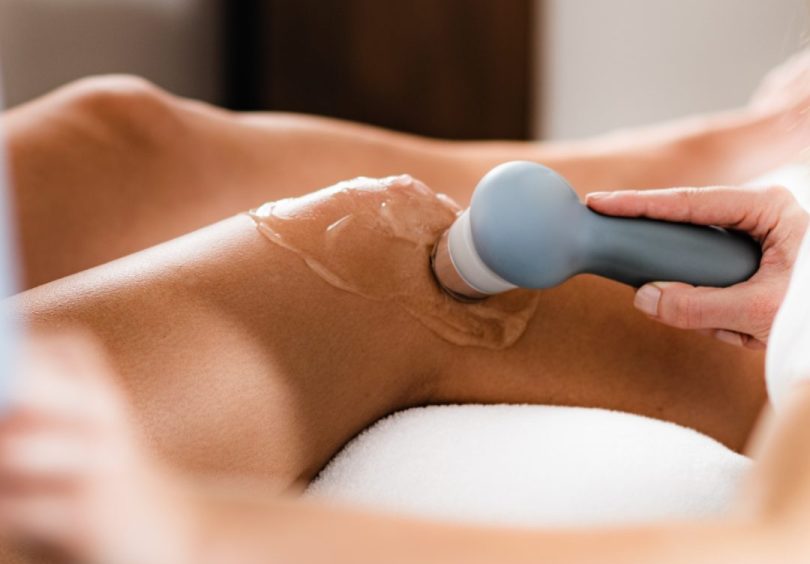

At Malvern Physiotherapy Clinic, we use Real-Time Ultrasound (RTUS) as an assessment and rehabilitation tool to help patients in Malvern East and surrounding suburbs better understand how their muscles are functioning.
Unlike diagnostic ultrasound used in hospitals, Real-Time Ultrasound in physiotherapy provides immediate visual feedback of muscles as they contract and relax. This allows both the physiotherapist and patient to see muscle activation as it happens, making it a valuable tool for rehabilitation, exercise retraining and recovery.
Real-Time Ultrasound is a safe, non-invasive imaging technique that uses sound waves to create live images of muscles beneath the skin.
During an assessment, a physiotherapist places a small ultrasound probe on the area being examined. The images appear instantly on a screen, allowing you to see your muscles working as you move or perform specific exercises.
This visual feedback can help improve body awareness and make it easier to activate muscles that are difficult to feel working.
Many injuries, surgeries and pain conditions can alter the way muscles activate.
Even when pain has improved, some muscles may remain inhibited or switch on later than they should. This can contribute to ongoing weakness, reduced stability and recurring symptoms.
Real-Time Ultrasound allows patients to:
Rather than guessing whether a muscle is working, patients can see it happening on the screen.
One of the most common uses of Real-Time Ultrasound is assessing the deep abdominal muscles, particularly the transversus abdominis.
This muscle acts like a natural support system for the spine and plays an important role in trunk stability. You can read more about why your core matters in our earlier blog.
Following episodes of lower back pain, people often struggle to activate this muscle effectively. Real-Time Ultrasound can help patients learn how to recruit it during rehabilitation exercises, and often complements Clinical Pilates programs.
Real-Time Ultrasound can also be used as a non-invasive method of assessing pelvic floor muscle function.
Patients can observe whether the pelvic floor is contracting appropriately and learn strategies to improve muscle control. The Better Health Channel provides a helpful overview of why these muscles matter.
This can be particularly helpful for:
The multifidus muscles are small stabilising muscles located along the spine.
Research published in Spine has shown these muscles can become inhibited following episodes of lower back pain or surgery and may not automatically recover once symptoms settle. There is also research that links a reduced size/bulk of this muscle group and incidence of low back pain – https://pubmed.ncbi.nlm.nih.gov/17070721/
Real-Time Ultrasound allows physiotherapists to assess activation and retrain these muscles during rehabilitation.
Yes, for many people, it can form a useful part of rehabilitation.
One of the biggest challenges in rehabilitation is ensuring the correct muscles are working at the right time. When muscles fail to activate effectively, other muscles often compensate. This can place additional stress on joints, tendons and surrounding tissues.
By improving muscle activation and movement patterns, Real-Time Ultrasound may assist recovery from:
It provides objective feedback that helps guide exercise progression and rehabilitation decisions. A Cochrane Review of motor control exercise found that retraining the deep trunk muscles can improve pain and function in persistent low back pain, although no single form of exercise suits everyone — which is why a thorough assessment is important to determine the most appropriate approach for you.
With winter sport and ski season underway across Melbourne, retraining muscle activation after a lay-off can also be a sensible step before returning to running, skiing or AFL training.
Real-Time Ultrasound can play an important role in post-operative rehabilitation.
Following surgery, pain, swelling and reduced movement can make it difficult for patients to reconnect with key stabilising muscles. Visual feedback from ultrasound can help patients regain confidence and improve muscle recruitment during the early stages of rehabilitation.
It is commonly used following:
Your physiotherapist will determine whether Real-Time Ultrasound is appropriate for your specific recovery goals. You can read more about how pre- and post-operative physiotherapy prepares your body for surgery on our blog.
A Real-Time Ultrasound assessment is painless and non-invasive.
During the appointment, your physiotherapist will:
The information gathered can then be used to develop an individualised rehabilitation program. Treatment recommendations will depend on your individual presentation.
Real-Time Ultrasound does not replace physiotherapy assessment or exercise rehabilitation.
Instead, it gives some diagnostic information as to whether muscle activation/use in that area is indeed linked to your issue. Then upon discovering that this muscle group is involved, your physiotherapist can use RTUS to enhance the rehabilitation process by providing visual feedback that would otherwise be unavailable. For many patients, getting confirmation of the importance of an exercise, then seeing a muscle activate on the screen can improve learning, confidence and exercise technique.
It is particularly valuable when retraining muscles that are difficult to feel or control, such as the deep core, pelvic floor and spinal stabilisers.
Real-Time Ultrasound may be beneficial for people experiencing:
Your physiotherapist can determine whether Real-Time Ultrasound is suitable as part of your assessment and rehabilitation plan. The Australian Physiotherapy Association’s Choose Physio resource explains how physiotherapists use evidence-informed tools like this within broader care.
Yes. Real-Time Ultrasound uses sound waves rather than radiation and is considered a safe, non-invasive assessment tool.
The ultrasound itself does not strengthen muscles. However, it helps patients learn how to activate muscles more effectively, which can improve the quality of rehabilitation exercises.
Yes. The live ultrasound image allows you to watch your muscles contract and relax in real time.
No. While it is commonly used for the deep abdominal muscles, pelvic floor and spinal stabilisers, it can also be used to assess other muscle groups when clinically appropriate.
No referral is required. Your physiotherapist can determine whether Real-Time Ultrasound is appropriate during your assessment.
If you’re recovering from injury, managing lower back pain, returning after surgery or looking to improve core or pelvic floor muscle activation, Real-Time Ultrasound can provide valuable feedback during your rehabilitation.
Our physiotherapists use Real-Time Ultrasound as part of a comprehensive assessment and treatment approach designed to help you move with greater confidence and understanding. We welcome patients from Malvern, Malvern East, Armadale, Toorak, Glen Iris and across the City of Stonnington.
Book an appointment online or call the clinic to discuss whether a Real-Time Ultrasound assessment is right for you.
Mark Fotheringham
Principal Physiotherapist & Director
Malvern Physiotherapy Clinic & Return Pilates
Mark Fotheringham is the Principal Physiotherapist and Director of Malvern Physiotherapy Clinic and the founder of Return Pilates. With over two decades of clinical experience, Mark is highly regarded for his expertise in musculoskeletal and sports physiotherapy, helping patients recover from injury, optimise performance, and return confidently to the activities they value most.
Mark holds a Bachelor of Physiotherapy and has undertaken extensive postgraduate professional development in sports rehabilitation, strength and conditioning, and clinical Pilates. He is committed to evidence-based practice and integrates objective assessment tools such as hand-held dynamometry and force plate technology to measure strength, monitor progress, and guide individualised rehabilitation programs.
Throughout his career, Mark has worked with a diverse patient population, including elite and recreational athletes, post-operative patients, and individuals managing persistent pain and complex musculoskeletal conditions. His clinical approach focuses on identifying the root cause of dysfunction, restoring optimal movement patterns, and empowering patients through education and tailored exercise programs.
As a recognised leader in physiotherapy and rehabilitation, Mark is passionate about mentoring clinicians and advancing clinical standards within the profession. He has played a key role in developing integrated rehabilitation pathways between Malvern Physiotherapy Clinic and Return Pilates, ensuring patients receive seamless, high-quality care from assessment through to long-term strength and conditioning.
Mark has a particular interest in:
Through his leadership and clinical expertise, Mark remains dedicated to delivering personalised, results-driven care to the Malvern and Malvern East community.
Published March 30, 2026

Sports injury prevention physiotherapy focuses on building strength, managing training load, prioritising recovery, and addressing early warning signs before minor issues become significant injuries. Research supports progressive strength...
Learn More
Total knee replacement (TKR) ranks among the most commonly performed orthopaedic surgeries, with over 50,000 procedures annually in Australia. This figure is projected to rise substantially in the...
Learn More
Headaches and Neck Pain: How Physiotherapy Can Help Headaches and neck pain are a frustrating combination that can seriously impact your ability to work, exercise, and enjoy life....
Learn More
Finding the Best Physiotherapy Near You: A Local Guide If you’ve ever searched “physiotherapy near me” online, you’re not alone. In Australia, thousands of people search this term...
Learn More
Remedial Massage vs Myotherapy: What’s the Difference in Malvern East? If you’re searching for remedial massage in Malvern East or comparing myotherapy in Malvern East, you’re likely...
Learn More
The Essential Role of a Specialist Physiotherapist in Your Rehabilitation When recovering from an injury or managing a complex musculoskeletal condition, expert care can make all the difference....
Learn More
Why Real-Time Ultrasound Is a Game-Changer for Muscle and Joint Health Real-Time Ultrasound (RTUS) has emerged as an innovative, highly effective tool in physiotherapy, transforming the way we...
Learn More
One of the most influential recent developments in sports medicine’s understanding of human physiology has been grasping the effect that load has on tissue. When I speak of...
Learn More
Unfortunately, as we age, we lose muscle mass and strength, impacting our function and quality of life. This condition, known as Sarcopenia, most intensely affects older adults and...
Learn More
What is hypermobility? Hypermobility refers to excessive joint laxity and range of motion. There are numerous causes of joint hypermobility, including genetic factors or development after trauma/ injury....
Learn More
Hamstring 101 for Footy Season: When to See a Physio and When to Rest A practical, evidence-informed guide for footballers across Malvern, Malvern East, Armadale, Toorak, Glen...
Learn More
How Remedial Massage Supports Recovery from Everyday Muscle Tension If you finish most workdays with tight shoulders, a stiff neck or a niggly lower back, you’re in...
Learn More
Keith recently attended the Sporting Hamstring course conducted by Geelong Cats head physio Mark Young and AIS track and field physio Ben Raysmith and provides insight into how...
Learn More
Discover everything you need to know about physiotherapy, what physiotherapists do, how they help, and when you should seek advice from a physio. Our warm and friendly team...
Learn More
Relieve TMJ pain with expert physiotherapy at Malvern Physiotherapy If you’ve ever experienced pain, clicking, or difficulty moving your jaw, known as the temporomandibular joint or TMJ, you...
Learn More
Osgood-Schlatter Disease Osgood-Schlatter Disease is a common condition that affects the knees, primarily in adolescents, particularly during growth spurts. It is characterised by pain, swelling and tenderness just...
Learn More
Shoulder Pain Malvern: How Physiotherapy Can Help You Recover Shoulder pain can significantly impact your daily activities, from simple tasks like reaching overhead to more complex movements involved...
Learn More
Managing Common Health Concerns with Physiotherapy Physiotherapy is an essential part of allied health care, offering a hands-on and evidence-based approach to managing a wide range of health...
Learn More
Understanding Australia’s Most Common Physiotherapy Conditions: What We See Every Day As physiotherapists here at Malvern Physiotherapy Clinic, we’re often asked about the types of conditions we treat...
Learn More
Dry Needling vs. Acupuncture: Key Differences, Similarities, and Where They Overlap If you’ve ever explored options for managing pain, muscle tightness, or chronic conditions, you’ve probably come across...
Learn More
Desk-related neck and shoulder pain is usually caused by sustained positions, not enough movement, and a workstation that isn’t set up for you, rather than “bad posture” alone....
Learn More
Comparing Musculoskeletal and Sports Physiotherapy: Which One Do You Need? When seeking physiotherapy, it can be helpful to understand the different areas of expertise within the profession. While...
Learn More
Sports Injuries: Prevention, Recovery and Performance Sports injuries affect people of all ages, fitness levels, and abilities. While athletes often perform at higher levels of strength and function,...
Learn More
Understanding Inflammation: What It Is and How Physiotherapy Can Help Inflammation is a natural response in the body, playing a crucial role in healing and recovery. However, when...
Learn More
Understanding Running Injuries: Why They Happen and Where They Show Up Running places repetitive mechanical load through the same tissues, often thousands of times per session. Because...
Learn More
How Technology like Hand-held Dynamometry is Changing Recovery Technological innovation is rapidly reshaping healthcare—and physiotherapy is no exception. One of the most significant advancements in recent years is...
Learn More
Why Clinical Pilates is Perfect for Every Body Clinical Pilates is a fantastic option for exercise based rehab, as it offers a tailored, evidence-based method to help individuals...
Learn More
What is it? The fascia is a tough, fibrous connective tissue that supports the arch of the foot and transmits forces. It’s intricately attached to the heel, toes,...
Learn More
By Vladimir Margolin, Myotherapist and Remedial Massage Therapist, Malvern Physiotherapy Clinic Myotherapy and remedial massage may help ease the muscle tension, guarding and stiffness that commonly accompany sciatica,...
Learn More
Relieve Muscle Tension and Revitalize Your Body Are you tired of dealing with stubborn knots and annoying aches that just won’t go away? Look no further! Spikey massage...
Learn More
If you’ve suffered a soft injury in the past – even a garden variety strain or sprain – chances are you’ve been advised to use the RICE method...
Learn More
What is a muscle imbalance? To properly understand what muscle imbalance means, it is essential to understand the fine balance in which our bodies operate. Different types of...
Learn More
Myotherapy Explained: A Comprehensive Guide to Its Benefits and Treatment At Malvern Physiotherapy Clinic, we’re committed to helping you move better and feel your best with expert care....
Learn More
Debunking Myths About Remedial Massage: How It Supports Pain Relief and Recovery Remedial massage is a powerful tool in managing pain, improving movement, and supporting recovery from...
Learn More
An ergonomic workspace is important to help maintain good posture while working. When you sit stationary for too long or sit in a slouched position, different muscle groups...
Learn MoreDesk-related neck and shoulder pain is usually caused by sustained positions, not enough movement, and a workstation that isn’t set up for you, rather than “bad posture” alone....
Learn More
An ankle sprain is one of the most common injuries affecting the foot and ankle, particularly during sport or when walking on uneven ground. It occurs when the...
Learn More
At Malvern Physiotherapy Clinic, we understand that no two bodies are the same, so we prioritise individualised care. Whether new to Pilates or returning after an injury, beginning...
Learn MoreOsgood-Schlatter Disease Osgood-Schlatter Disease is a common condition that affects the knees, primarily in adolescents, particularly during growth spurts. It is characterised by pain, swelling and tenderness just...
Learn MoreThe Essential Role of a Specialist Physiotherapist in Your Rehabilitation When recovering from an injury or managing a complex musculoskeletal condition, expert care can make all the difference....
Learn MoreUnderstanding Running Injuries: Why They Happen and Where They Show Up Running places repetitive mechanical load through the same tissues, often thousands of times per session. Because...
Learn MoreRelieve TMJ pain with expert physiotherapy at Malvern Physiotherapy If you’ve ever experienced pain, clicking, or difficulty moving your jaw, known as the temporomandibular joint or TMJ, you...
Learn More
Over the last 25 years, the overwhelming evidence has shown that resistance training for children and adolescents has a number of significant benefits, including injury prevention, improved athletic...
Learn More
Bladder leakage (urinary incontinence) is not normal. Despite the marketing campaigns from sanitary pad companies, women and men can resolve their urinary leakage in most cases. They do...
Learn More
Chronic Pain and Physiotherapy: What You Need to Know Living with chronic pain can be exhausting. Unlike acute pain, which usually resolves as the body heals, chronic pain...
Learn More
Congratulations to all those who participated in the Nike Melbourne Marathon Festival this past weekend. Runners of all ages and abilities came together to push their limits and...
Learn More
Osteoporosis literally means ‘bones with holes’. It occurs when bones lose minerals such as calcium more quickly than the body can replace them. They become less dense, lose...
Learn More
How Pre and Post-Operative Physiotherapy Prepares Your Body for Surgery Introduction Undergoing surgery is a significant event, and ensuring your body is well-prepared can make a remarkable difference...
Learn More