BLOG
What Is Myotherapy? Benefits, Treatment and What to Expect


By Vladimir Margolin, Myotherapist and Remedial Massage Therapist, Malvern Physiotherapy Clinic
Myotherapy is a hands-on, assessment-led therapy for muscle and joint pain and restricted movement. A myotherapist works out which muscles, soft tissues and joints are contributing, then uses techniques such as massage, trigger point therapy, dry needling and stretching, plus home exercises. At Malvern Physiotherapy Clinic in Malvern East, it is often combined with physiotherapy.
“So what is myotherapy, exactly?” is a question I hear often. It sits between remedial massage and physiotherapy, and the name does not explain much on its own.
Here is what a myotherapist does, what to expect, and when a physiotherapist or GP is the better first step.
A myotherapist assesses where your pain is coming from, treats the muscles and soft tissues involved, and gives you simple ways to manage between visits. The assessment is what sets it apart from a general massage.
The Myotherapy Association Australia describes myotherapists as providing assessment, treatment and rehabilitation for a wide range of musculoskeletal pain and associated conditions. Massage & Myotherapy Australia, the peak body for both professions, groups massage and myotherapy together as manual therapies for the deep and shallow soft tissues, including muscles, tendons and ligaments.
At our clinic, myotherapy usually includes:
| Technique | What it involves | Often used for |
|---|---|---|
| Soft tissue and remedial massage | Firm, targeted massage | Muscle tightness and overload |
| Trigger point therapy | Sustained pressure on tender, knotted areas | Referred pain, such as from the neck into the head |
| Myofascial release | Slow, sustained stretch of soft tissue | Stiffness and restricted movement |
| Dry needling | Fine, sterile needles into tight muscle | Persistent muscle tension, used only after discussion |
| Cupping | Suction cups to lift and move tissue | Tight, guarded areas |
| Joint mobilisation | Gentle, controlled joint movements | Stiff joints and reduced range |
| Stretching and exercise | Simple stretches and strength work | Keeping improvements going between visits |
Your myotherapist will assess you first and choose techniques that suit your presentation and preferences.
My own interest in how the body moves started early, with classical ballet training at the Bolshoi Ballet Academy in Moscow. It taught me how much the muscles and joints share load, and that pain in one area is often influenced by another.
Myotherapy may help with muscle and joint pain where soft tissue tightness or restricted movement is part of the problem. The Better Health Channel lists conditions it may be used for, including:
A common presentation we see is a busy professional with a tight neck and shoulders after weeks of long days at a laptop, often with a headache by mid-afternoon. Our posts on neck and shoulder pain from desk work and tension headaches and neck pain go into more detail. We have also written about myotherapy and massage for sciatica and myotherapy in pregnancy.
Responses vary from person to person, and myotherapy is not suitable for every condition. Treatment recommendations will depend on your individual presentation.
Myotherapy builds on remedial massage by adding a more detailed assessment and a wider range of techniques, such as dry needling and joint mobilisation. Physiotherapists are university-trained, AHPRA-registered practitioners who diagnose and manage a broader range of injuries and conditions, with a stronger focus on exercise rehabilitation. We compare them in more depth in remedial massage vs myotherapy and physio, chiro, osteo or massage.
In Australia, the minimum education requirement for a myotherapist is an Advanced Diploma in Remedial Massage (Myotherapy), according to the Better Health Channel’s myotherapist service profile.
Myotherapy is not an AHPRA-registered profession, so it is worth asking about a practitioner’s training and whether they belong to a professional association. You may also see the term “clinical myotherapist”, which describes a myotherapist working in an assessment-led, clinical way. It is not a separate registered title.
Your first myotherapy session starts with a conversation and an assessment, followed by hands-on treatment and a simple plan.
A first visit usually includes:
1. History. Where it hurts, how long it has been there, what eases it and what aggravates it, plus your work, sport and sleep.
2. Assessment. Your myotherapist will assess your posture, movement, joint range and muscle tenderness.
3. Treatment. Hands-on techniques chosen for you, explained as we go. Pressure is adjusted to your comfort, so please speak up.
4. A plan. One or two stretches or exercises, and an honest discussion about whether further sessions are likely to help.
Some soreness for a day or two after firmer treatment is common. Bring any scan reports and a list of your medications.
Myotherapy may suit you if you have recurring muscle tightness, stiffness or pain that keeps returning, especially if massage alone has not lasted. It can work on its own or alongside physiotherapy and Clinical Pilates, which help build strength.
It may be a good fit if:
A thorough assessment is important to determine the most appropriate treatment approach. If myotherapy is not the right fit, we will tell you and suggest who to see.
Some private health funds cover myotherapy under extras, depending on your fund and level of extras cover. The Better Health Channel notes that Medicare generally does not cover myotherapy.
As privatehealth.gov.au explains, not all policies cover all services, and most have annual limits. Check with your fund before your visit.
HICAPS is available at our clinic, and on-the-spot claiming is an option.
See a physiotherapist first if you have a new injury, pain after surgery, or symptoms that need a diagnosis. Physiotherapy is often the better starting point when:
Our physiotherapists and myotherapists work in the same clinic, so moving between the two is easy.
See a GP promptly, or seek urgent care, if your pain comes with any of these:
The Better Health Channel advises seeing your doctor for acute or persistent joint pain. Your myotherapist also screens for these signs and will refer you on if needed.
Myotherapy is a hands-on treatment for muscle and joint pain. A myotherapist assesses what is contributing to your pain, then uses techniques like massage, trigger point therapy, dry needling and stretching, along with simple exercises you can do at home.
A myotherapist takes a history, assesses your posture, movement and muscles, and then treats the soft tissues and joints involved. They also give you stretches or exercises and refer you to a physiotherapist or GP if something needs further investigation.
Not quite. Myotherapy includes massage, but adds a more detailed assessment and techniques such as dry needling, cupping and joint mobilisation. Our remedial massage vs myotherapy guide explains the difference in more detail.
It describes a myotherapist who works in an assessment-led, clinical way, often alongside physiotherapists. It is not a separate registered title, so ask any practitioner about their qualifications and professional association membership.
No. You can book a myotherapy appointment directly without a referral from a doctor.
Some funds cover myotherapy under extras, depending on your fund and level of extras cover. Check with your insurer before your appointment. HICAPS is available at our clinic, and on-the-spot claiming is an option. Medicare generally does not cover myotherapy.
Some techniques can feel firm or briefly uncomfortable, and mild soreness for a day or two afterwards is common. Your myotherapist will adjust the pressure to your comfort, so let them know how it feels.
It depends on how long the problem has been present, what is contributing and your goals. Your myotherapist will discuss a realistic plan with you after the first assessment and review it as you respond.
If tight, sore muscles keep coming back, a myotherapy assessment can help you understand why.
Book online at malvernphysio.janeapp.com or call our team on (03) 9078 8434. We are at 299 Wattletree Road, Malvern East VIC 3145, convenient to Malvern, Armadale, Toorak, Glen Iris and the wider Stonnington area. No referral is needed.
Vladimir Margolin is a Myotherapist and Remedial Massage Therapist at Malvern Physiotherapy Clinic in Malvern East. He holds a Diploma of Remedial Massage from RMIT University and completed his myotherapy training in 2023. Vlad has more than 20 years of experience in health, including 14 years in optometry, and studied medicine in Russia. His clinical interests include sports, remedial, deep tissue and relaxation massage, along with taping and cupping. Before his health career, he trained in classical ballet at the Bolshoi Ballet Academy in Moscow, which sparked his lasting interest in how the body moves. He works alongside the clinic’s physiotherapists to support patients.
This article is general information only and is not a substitute for individual assessment or advice. Please book an appointment so we can tailor recommendations to you. All physiotherapists at Malvern Physiotherapy Clinic are registered with the Australian Health Practitioner Regulation Agency (AHPRA). Myotherapy and remedial massage are not AHPRA-registered professions.
Published May 8, 2025

Desk-related neck and shoulder pain is usually caused by sustained positions, not enough movement, and a workstation that isn’t set up for you, rather than “bad posture” alone....
Learn More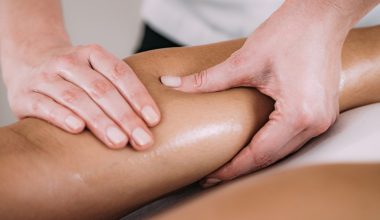
How Remedial Massage Supports Recovery from Everyday Muscle Tension If you finish most workdays with tight shoulders, a stiff neck or a niggly lower back, you’re in...
Learn More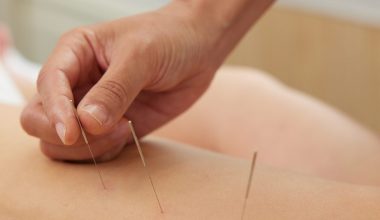
Remedial Massage vs Myotherapy: What’s the Difference in Malvern East? If you’re searching for remedial massage in Malvern East or comparing myotherapy in Malvern East, you’re likely...
Learn More
Finding the Best Physiotherapy Near You: A Local Guide If you’ve ever searched “physiotherapy near me” online, you’re not alone. In Australia, thousands of people search this term...
Learn More
Pregnancy is an exciting time for expectant mothers, but it can also be a very physically demanding and challenging time for them as well. There are many physical...
Learn More
By Mark Fotheringham, Principal Physiotherapist, Malvern Physiotherapy Clinic To use a spikey massage ball, place it under a tight muscle, lean your weight onto it gently and roll...
Learn More
With all the excitement of having bubs finally at home with the family, mother’s needs are often overlooked. However, this time can be one of the most challenging...
Learn More
Discover everything you need to know about physiotherapy, what physiotherapists do, how they help, and when you should seek advice from a physio. Our warm and friendly team...
Learn More
Sports Injuries: Prevention, Recovery and Performance Sports injuries affect people of all ages, fitness levels, and abilities. While athletes often perform at higher levels of strength and function,...
Learn More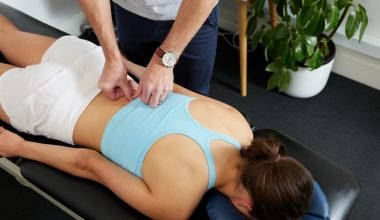
By Vladimir Margolin, Myotherapist and Remedial Massage Therapist, Malvern Physiotherapy Clinic Myotherapy and remedial massage may help ease the muscle tension, guarding and stiffness that commonly accompany sciatica,...
Learn More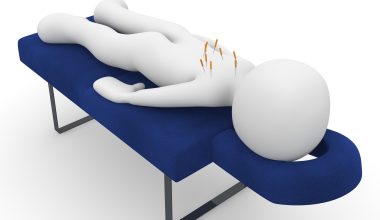
Dry needling is a form of therapy adapted from the traditional Chinese Medicine method of acupuncture. Dry needling is where very thin stainless steel needles are inserted into...
Learn More
Dry Needling vs. Acupuncture: Key Differences, Similarities, and Where They Overlap If you’ve ever explored options for managing pain, muscle tightness, or chronic conditions, you’ve probably come across...
Learn More
Osgood-Schlatter Disease Osgood-Schlatter Disease is a common condition that affects the knees, primarily in adolescents, particularly during growth spurts. It is characterised by pain, swelling and tenderness just...
Learn More
Understanding and Managing Low Back Pain Low back pain is an incredibly common issue that affects around 80% of people at some point in their lives. Whether...
Learn More
Debunking Myths About Remedial Massage: How It Supports Pain Relief and Recovery Remedial massage is a powerful tool in managing pain, improving movement, and supporting recovery from...
Learn More
What is hypermobility? Hypermobility refers to excessive joint laxity and range of motion. There are numerous causes of joint hypermobility, including genetic factors or development after trauma/ injury....
Learn MoreUnderstanding and Managing Low Back Pain Low back pain is an incredibly common issue that affects around 80% of people at some point in their lives. Whether...
Learn MoreDiscover everything you need to know about physiotherapy, what physiotherapists do, how they help, and when you should seek advice from a physio. Our warm and friendly team...
Learn More
Expert Physio Q&A: VALD Technology Welcome to our Q&A blog, where we discuss the cutting-edge VALD technology used in our strength assessments. These tools are designed to precisely...
Learn More
Are you ready to commence work en pointe? Perhaps one of the most exciting times in a young dancers life is when she puts on her first pair...
Learn More
Research published this year in the New England Journal of Medicine suggests that coffee can do far more than just keep you awake. There is an increasing number...
Learn More
Research has shown just 45 minutes of Pilates, twice a week for 8 weeks, was able to increase both flexibility, strength and your lower back control. This study...
Learn MoreDebunking Myths About Remedial Massage: How It Supports Pain Relief and Recovery Remedial massage is a powerful tool in managing pain, improving movement, and supporting recovery from...
Learn More
One of the most common misconceptions when working with a physio is that your treatment is limited to your appointment. In fact, one of the most crucial elements...
Learn More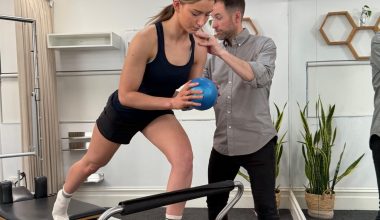
Clinical Pilates: Strengthening Your Core for Injury Prevention Clinical Pilates is a highly effective, physiotherapist-led approach to improving strength, stability and movement control. At Malvern Physiotherapy Clinic,...
Learn More
Orthoses or ‘orthotics’ are devices that we use in shoes to modify the load distribution through the foot. Most people associate orthoses being prescribed only for people suffering...
Learn MoreRemedial Massage vs Myotherapy: What’s the Difference in Malvern East? If you’re searching for remedial massage in Malvern East or comparing myotherapy in Malvern East, you’re likely...
Learn More
How Can Real-Time Ultrasound Improve Muscle Activation and Recovery? At Malvern Physiotherapy Clinic, we use Real-Time Ultrasound (RTUS) as an assessment and rehabilitation tool to help patients...
Learn More
The shoulder joint also known as the glenohumeral joint is highly mobile. This allows for the greatest range of possible places your functional hand can access. It achieves...
Learn MoreSports Injuries: Prevention, Recovery and Performance Sports injuries affect people of all ages, fitness levels, and abilities. While athletes often perform at higher levels of strength and function,...
Learn More