BLOG
Hamstring 101 for Footy Season: When to See a Physio and When to Rest
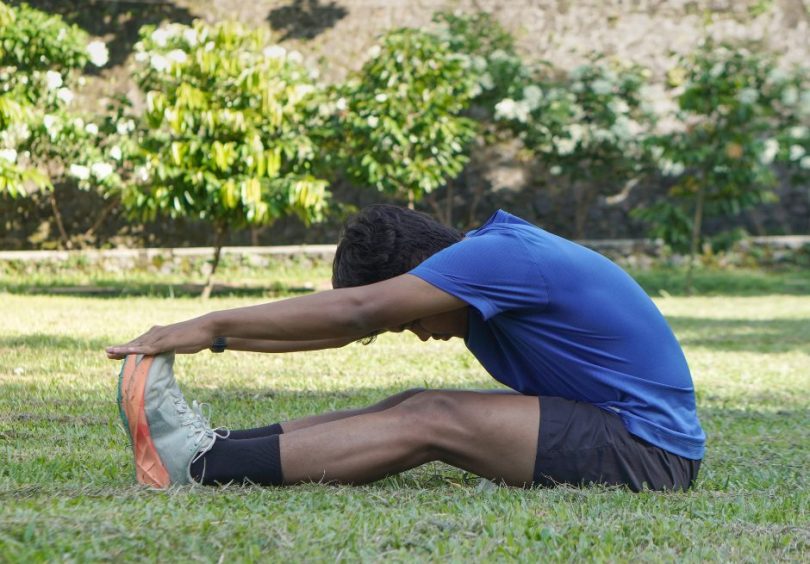

A practical, evidence-informed guide for footballers across Malvern, Malvern East, Armadale, Toorak, Glen Iris and the wider Stonnington area.
Hamstring strains are one of the most common injuries seen during the AFL season – at every level from juniors and local league through to the elite game. If you play footy, there is a good chance you have either pulled a hamstring or lined up next to someone who has. This guide explains what a hamstring strain is, why these injuries spike during winter footy, how to tell the difference between a niggle and something that needs assessment, and the question we hear most often – how long until I can return to the field?
The information below is general in nature. Your physiotherapist will assess your individual presentation before recommending a treatment approach that suits you.
A hamstring strain is a tear of one or more of the three hamstring muscles at the back of your thigh. It happens when the muscle is stretched or overloaded beyond what it can handle – most often during sprinting, bending or kicking.
Your hamstrings are a group of three muscles – the biceps femoris, semitendinosus and semimembranosus – that run down the back of your thigh from your sitting bone to below the knee. They help you bend your knee and drive your hip backwards, which is exactly what you do when you sprint, change direction or kick a footy.
In footballers, the biceps femoris is the most commonly injured of the three, and most strains happen during high-speed running rather than from contact.
Footy involves repeated high-speed sprinting, sudden acceleration and deceleration, and kicking – all of which place large loads on the hamstrings. Cold winter conditions, fatigue, rapid increases in training load and a previous hamstring injury all add to the risk.
Several factors come together during the AFL season to make hamstrings vulnerable:
Fatigue also plays a part. Hamstring strains often occur late in a quarter or late in a game, when muscles are tired and technique starts to drop off.
Common symptoms include a sudden sharp pain at the back of the thigh, sometimes with a ‘pop’ or grabbing sensation, followed by tightness, tenderness, swelling or bruising. More severe strains can make walking, bending the knee or running difficult.
Hamstring strains are usually graded by severity. This guide can help you understand what you may be dealing with, but only an assessment can confirm it:
These grades are a general guide only. Two people with the same grade can recover at different rates, which is why an individual assessment is important.
Very minor tightness may settle with a short period of relative rest and a gradual return to activity. However, if you felt a sharp pain, heard or felt a ‘pop’, have swelling or bruising, are limping, or cannot run at full pace, it is sensible to see a physiotherapist. Early assessment helps confirm the diagnosis, guides safe loading and reduces the risk of re-injury.
Rest alone is never the full answer. Complete rest for too long can leave the muscle weaker and less able to handle the demands of footy, which can increase the chance of the injury returning. The current evidence-informed approach is relative rest – settling the early irritation, then gradually reintroducing movement, strength and running under guidance. The Victorian Government’s Better Health Channel guide to sprains and strains sets out general first-aid and recovery principles for soft-tissue injuries.
When you may be able to manage a minor niggle yourself
Even then, a quick check-in can be worthwhile – what feels like a minor niggle can sometimes be an early strain that benefits from the right loading plan.
As a general rule for footballers: if it stops you playing on, it is worth having it assessed.
Most hamstring strains are not a medical emergency. However, seek prompt medical assessment if you have severe pain high up near the sitting bone, significant weakness, numbness or pins and needles down the leg, or a large area of bruising – these can occasionally indicate a more significant injury such as a tendon avulsion or nerve involvement.
Pain felt very high in the buttock or at the sitting bone, particularly with marked weakness, deserves early review, as injuries to the hamstring tendon where it attaches to the bone are managed differently from a mid-muscle strain. Your physiotherapist or GP can advise whether imaging or onward referral is appropriate.
Physiotherapy for a hamstring strain often includes an accurate diagnosis, guidance on early load management, hands-on treatment to ease symptoms, and a progressive strengthening and running programme to help you return to footy safely and reduce the risk of re-injury.
A typical physiotherapy-led approach to a hamstring strain may involve:
Early soft-tissue treatment and remedial massage or myotherapy can sometimes form part of a broader plan to manage symptoms and support recovery, depending on your individual presentation. For more on managing the early phase of a muscle injury, see our guide on how to effectively treat soft tissue injuries.
Recovery time varies with the severity of the strain and the individual. As a general guide, mild (Grade 1) strains may settle within one to three weeks, moderate (Grade 2) strains often take around four to eight weeks, and severe (Grade 3) strains can take considerably longer. Your physiotherapist will base your return on how your hamstring is responding, not on dates alone.
Returning to footy too early is one of the most common reasons hamstrings re-injure. A staged return – where running speed, strength and footy-specific drills are rebuilt step by step – gives the muscle a strong chance to handle match demands again.
You can help reduce hamstring injury risk by building hamstring strength (including eccentric exercises such as Nordic hamstring curl), warming up thoroughly before training and games, gradually increasing your running load, maintaining good overall conditioning, and fully rehabilitating any previous injury.
Practical strategies that may help include:
Programmes such as Clinical Pilates can also support the strength, control and conditioning that footballers rely on. If you would like an individualised prevention plan, our sports physiotherapy team can assess your specific needs. National bodies such as Sports Medicine Australia also publish injury-prevention resources for community sport.
Continuing to play on a strained hamstring can risk making the injury worse and prolonging your recovery. If you feel a sudden sharp pain at the back of your thigh during a game, it is generally safer to come off and have it assessed.
In the first day or two, gentle protection and relative rest are usually the priority. Many people find ice helps with comfort early on. Your physiotherapist can advise what suits your stage of healing, as approaches to early soft-tissue management have evolved in recent years.
Stretching alone has limited evidence for preventing hamstring strains. Progressive strengthening – particularly eccentric strength work – tends to have stronger support, and is often more effective as part of a broader conditioning programme.
Many hamstring strains can be diagnosed and managed without imaging. Scans such as ultrasound or MRI are sometimes used for more significant injuries, or when the picture is unclear. Your physiotherapist or GP will advise whether a scan is appropriate for you.
If you have strained your hamstring this footy season – or you keep getting the same niggle – a thorough assessment is important to determine the most appropriate treatment approach for you. Our physiotherapists at Malvern Physiotherapy Clinic in Malvern East support footballers from across Malvern, Malvern East, Armadale, Toorak, Glen Iris and the wider Stonnington area, from junior players through to senior and masters footy.
To book an assessment, contact Malvern Physiotherapy Clinic or book online. The earlier a hamstring injury is assessed, the more we can help guide your safe return to the game you love. You can also find a registered physiotherapist through the Australian Physiotherapy Association.
Peter Growse – Musculoskeletal Physiotherapist, Malvern Physiotherapy Clinic
Peter Growse is a highly qualified physiotherapist with over 15 years of clinical experience. He holds a Bachelor of Physiotherapy from La Trobe University and a Master’s Degree in Musculoskeletal Physiotherapy. Pete has completed multiple postgraduate certifications, including in the treatment and management of lower back conditions and radiating symptoms, neck pain, headaches and referred pain. He has also undertaken additional study in sporting and tendon injuries, including the Achilles, patellar and gluteal tendons.
With a special interest in sports injuries, tendon conditions and helping active people return to the activities they value, Pete is well placed to assess and manage hamstring injuries in footballers. He consults at Malvern Physiotherapy Clinic in Malvern East, supporting the local sporting community across Stonnington. Read more about Peter or book an appointment via his practitioner profile.
Published July 2, 2026
Understanding Australia’s Most Common Physiotherapy Conditions: What We See Every Day As physiotherapists here at Malvern Physiotherapy Clinic, we’re often asked about the types of conditions we treat...
Learn More
Chronic Pain and Physiotherapy: What You Need to Know Living with chronic pain can be exhausting. Unlike acute pain, which usually resolves as the body heals, chronic pain...
Learn More
Shoulder Pain Malvern: How Physiotherapy Can Help You Recover Shoulder pain can significantly impact your daily activities, from simple tasks like reaching overhead to more complex movements involved...
Learn More
Why Real-Time Ultrasound Is a Game-Changer for Muscle and Joint Health Real-Time Ultrasound (RTUS) has emerged as an innovative, highly effective tool in physiotherapy, transforming the way we...
Learn More
Myotherapy Explained: A Comprehensive Guide to Its Benefits and Treatment At Malvern Physiotherapy Clinic, we’re committed to helping you move better and feel your best with expert care....
Learn More
Sports injury prevention physiotherapy focuses on building strength, managing training load, prioritising recovery, and addressing early warning signs before minor issues become significant injuries. Research supports progressive strength...
Learn More
Clinical Pilates: Strengthening Your Core for Injury Prevention Clinical Pilates is a highly effective, physiotherapist-led approach to improving strength, stability and movement control. At Malvern Physiotherapy Clinic,...
Learn More
Winter is here, and with it comes the exhilarating promise of skiing and snowboarding. Whether you’re a seasoned athlete or a family looking forward to your annual ski...
Learn More
With the stop and start nature of how COVID-19 have affected most sports this year, it is very likely we will see an increase in new injuries as...
Learn More
Training programs set for professional athletes have changed over time as physiotherapists and the sports medicine profession improve their knowledge about how the body responds to exercise. Not...
Learn More
Understanding Inflammation: What It Is and How Physiotherapy Can Help Inflammation is a natural response in the body, playing a crucial role in healing and recovery. However, when...
Learn More
Dry Needling vs. Acupuncture: Key Differences, Similarities, and Where They Overlap If you’ve ever explored options for managing pain, muscle tightness, or chronic conditions, you’ve probably come across...
Learn More
How Technology like Hand-held Dynamometry is Changing Recovery Technological innovation is rapidly reshaping healthcare—and physiotherapy is no exception. One of the most significant advancements in recent years is...
Learn More
Headaches and Neck Pain: How Physiotherapy Can Help Headaches and neck pain are a frustrating combination that can seriously impact your ability to work, exercise, and enjoy life....
Learn More
Strength training is typically seen as a way to mould, shape and develop the human body. It achieves these changes through controlled loading of muscle, tendon and bone...
Learn More
Blood Flow Restriction (BFR) strength training is a new option in rehabilitation for those needing to increase muscle size and strength, and who also need to reduce the...
Learn More
Managing Common Health Concerns with Physiotherapy Physiotherapy is an essential part of allied health care, offering a hands-on and evidence-based approach to managing a wide range of health...
Learn More
Sports Injuries: Prevention, Recovery and Performance Sports injuries affect people of all ages, fitness levels, and abilities. While athletes often perform at higher levels of strength and function,...
Learn More
How you should prepare your body for the ski season As skiing and snowboarding have become increasingly popular, many enthusiasts often ask why they should prepare their bodies...
Learn More
Expert Physio Q&A: VALD Technology Welcome to our Q&A blog, where we discuss the cutting-edge VALD technology used in our strength assessments. These tools are designed to precisely...
Learn More
Total knee replacement (TKR) ranks among the most commonly performed orthopaedic surgeries, with over 50,000 procedures annually in Australia. This figure is projected to rise substantially in the...
Learn More
How Can Real-Time Ultrasound Improve Muscle Activation and Recovery? At Malvern Physiotherapy Clinic, we use Real-Time Ultrasound (RTUS) as an assessment and rehabilitation tool to help patients...
Learn More
Finding the Best Physiotherapy Near You: A Local Guide If you’ve ever searched “physiotherapy near me” online, you’re not alone. In Australia, thousands of people search this term...
Learn More
Swimming is a fantastic sport that most Australians are introduced to learn at a young age. Programs such as Nippers at surf life saving clubs and other swim...
Learn More
Ski Season Ready: Injury Prevention and Knee Strength for the Slopes How to prepare your body – and especially your knees – before you hit the snow,...
Learn More
Remedial Massage vs Myotherapy: What’s the Difference in Malvern East? If you’re searching for remedial massage in Malvern East or comparing myotherapy in Malvern East, you’re likely...
Learn More
Understanding Running Injuries: Why They Happen and Where They Show Up Running places repetitive mechanical load through the same tissues, often thousands of times per session. Because...
Learn More
Comparing Musculoskeletal and Sports Physiotherapy: Which One Do You Need? When seeking physiotherapy, it can be helpful to understand the different areas of expertise within the profession. While...
Learn More
The Essential Role of a Specialist Physiotherapist in Your Rehabilitation When recovering from an injury or managing a complex musculoskeletal condition, expert care can make all the difference....
Learn More
The shoulder is one of the most difficult joints to treat as it relies on many components to act in sync for correct function. We as humans are...
Learn More
An ergonomic workspace is important to help maintain good posture while working. When you sit stationary for too long or sit in a slouched position, different muscle groups...
Learn More
“Do you think that my headaches are coming from my neck?” This is a typical question that physiotherapists get asked on a regular basis. Cervicogenic headaches (neck-related headaches)...
Learn MoreUnderstanding Australia’s Most Common Physiotherapy Conditions: What We See Every Day As physiotherapists here at Malvern Physiotherapy Clinic, we’re often asked about the types of conditions we treat...
Learn More
Understanding and Managing Low Back Pain Low back pain is an incredibly common issue that affects around 80% of people at some point in their lives. Whether...
Learn More
How Pre and Post-Operative Physiotherapy Prepares Your Body for Surgery Introduction Undergoing surgery is a significant event, and ensuring your body is well-prepared can make a remarkable difference...
Learn More
What is hypermobility? Hypermobility refers to excessive joint laxity and range of motion. There are numerous causes of joint hypermobility, including genetic factors or development after trauma/ injury....
Learn MoreTotal knee replacement (TKR) ranks among the most commonly performed orthopaedic surgeries, with over 50,000 procedures annually in Australia. This figure is projected to rise substantially in the...
Learn More
The shoulder joint also known as the glenohumeral joint is highly mobile. This allows for the greatest range of possible places your functional hand can access. It achieves...
Learn More
Pregnancy is an exciting time for expectant mothers, but it can also be a very physically demanding and challenging time for them as well. There are many physical...
Learn More
Some thoughts from Hina on breathing techniques commonly taught in Clinical Pilates. I have been practicing Clinical Pilates for over eight years and teaching for the past five....
Learn More
For years warm-ups have been an unquestionable must before exercise, however some more recent research suggests static warm-ups don’t prevent injury. Does this mean we should drop the...
Learn More
This blog is the second in a series from Hayley Runting regarding pelvic health conditions. Today’s blog discusses pelvic pain, pelvic surgery and pelvic floor checks. Pelvic Pain...
Learn More
Relieve TMJ pain with expert physiotherapy at Malvern Physiotherapy If you’ve ever experienced pain, clicking, or difficulty moving your jaw, known as the temporomandibular joint or TMJ, you...
Learn More