BLOG
Top 5 Strategies to Prevent Sports Injuries and Improve Recovery


Injuries rarely happen by accident. In most cases, they develop when training load exceeds what your body can tolerate.
The good news? Most sports injuries are preventable.
Below are five evidence-based strategies to reduce injury risk and improve recovery — and clear guidance on when physiotherapy support is recommended.
The five most evidence-based strategies are:
Progressive strength training
Smart training load management
Prioritised recovery
Early management of pain
Individualised programming
These strategies work together to increase tissue capacity, improve movement efficiency and reduce overload.
According to the Australian Institute of Sport, structured strength and conditioning programs are one of the strongest protective factors against injury in both amateur and elite athletes.
Strength training improves the load tolerance of muscles, tendons and ligaments.
When tissues are progressively exposed to controlled resistance, they adapt by becoming stronger and more resilient. This reduces the likelihood of overload injuries such as:
Hamstring strains
ACL injuries
Achilles tendinopathy
Rotator cuff overload
Research published in the British Journal of Sports Medicine shows that structured strength programs can reduce sports injury risk by up to 50% in some populations.
The key principles include:
Progressive overload
Sport-specific targeting
Single-leg strength where relevant
Eccentric loading for tendon health
Movement control under fatigue
Generic online gym programs often fail to address individual weaknesses or sport demands.
If you are unsure which exercises are appropriate, our sports physiotherapy team can assess your baseline strength and design a tailored program:
👉 https://malvernphysio.com.au/sports-injury-prevention-recovery/
Training load is one of the strongest predictors of injury.
Sudden spikes in:
Running distance
Speed or intensity
Frequency of sessions
Game time
Competition exposure
…increase tissue stress faster than your body can adapt.
This is particularly common during:
Pre-season
Return from holidays
Post-injury comeback
Event preparation phases
Load management does not mean training less. It means progressing gradually.
General guidance:
Avoid sharp week-to-week increases
Schedule deload weeks
Track training volume
Adjust for fatigue
Organisations such as Sports Medicine Australia emphasise gradual progression and recovery planning as key injury prevention principles.
If you are increasing training or preparing for competition, a structured load plan can significantly reduce risk.
Recovery is not passive. It is an active performance strategy.
Evidence supports the following recovery pillars:
Most adults require 7–9 hours per night. Chronic sleep restriction increases injury risk and impairs tissue repair.
Light aerobic sessions and mobility work promote circulation without adding excessive load.
Scheduled rest allows tissue adaptation.
Adequate protein intake supports muscle repair. Under-fuelling increases injury risk, particularly in endurance athletes.
Manual therapy and mobility work can assist when stiffness or overload patterns are identified.
If soreness lasts longer than 48–72 hours or performance declines, recovery strategies may need review.
Our Clinical Pilates programs are often used to improve movement control while supporting active recovery:
👉 https://www.malvernphysio.com.au/clinical-pilates/
Pain is information. It should not be ignored.
Common warning signs include:
Pain that worsens during activity
Pain that lingers the following day
Swelling or joint stiffness
Recurrent tightness in the same area
Reduced power or control
Continuing to train through early tendon pain, for example, can progress into a more persistent tendinopathy.
Early assessment usually means:
Shorter recovery time
Fewer missed sessions
Reduced risk of structural injury
If symptoms persist for more than one week, it is advisable to seek professional guidance.
All physiotherapists practising in Australia are regulated by Australian Health Practitioner Regulation Agency, ensuring evidence-based, ethical care.
No two athletes have the same injury profile.
Your:
Previous injuries
Strength asymmetries
Mobility restrictions
Sport-specific demands
Age and training history
…all influence your risk.
Generic programs cannot account for these variables.
Individualised physiotherapy includes:
Movement screening
Strength testing
Load tolerance assessment
Biomechanical review
Goal-based program design
This is particularly important for:
Runners increasing mileage
Footballers entering pre-season
Tennis players increasing match volume
Athletes returning from surgery
If you are preparing for competition or returning post-operatively, our team also provides structured post-operative rehabilitation programs:
👉 https://www.malvernphysio.com.au/post-operative-physiotherapy/
You should seek physiotherapy support if:
Pain persists longer than one week
You experience repeated injuries in the same area
You are increasing training load
You are returning from surgery
You feel unstable or weak
You want a structured pre-season screening
Preventative physiotherapy is often faster and more cost-effective than managing a significant injury later.
You can book an appointment directly here:
👉 https://www.malvernphysio.com.au
Injury prevention is not about doing less. It is about:
Building capacity
Managing load
Recovering properly
Addressing early warning signs
Following a personalised plan
Athletes who take a proactive approach spend more time training – and less time sidelined.
Our team is dedicated to supporting you on your journey to achieving your goals. Book your appointment today to help prevent injuries.
Mark Fotheringham is the Principal Physiotherapist and Director of Malvern Physiotherapy Clinic. With over 20 years of clinical experience, Mark has a special interest in musculoskeletal and sports physiotherapy, complex injury rehabilitation, and post-operative recovery.
He holds a Bachelor of Physiotherapy and has undergone extensive postgraduate training in strength testing, load management, and advanced biomechanical assessment. Mark has worked with recreational athletes through to elite performers, using objective tools such as hand-held dynamometry and force plates to inform evidence-based, tailored rehabilitation programs.
As a clinician, educator, and practice owner, Mark is committed to combining hands-on expertise with the latest technologies to ensure accurate diagnosis, precise treatment, and measurable recovery outcomes. He is passionate about empowering patients through data-driven care that is both personalised and proven.
Published February 17, 2026

At Malvern Physiotherapy Clinic, we understand that no two bodies are the same, so we prioritise individualised care. Whether new to Pilates or returning after an injury, beginning...
Learn More
Why Bone Health Deserves Your Attention Bone density plays a critical role in long-term health and function — particularly for women. From adolescence through menopause and beyond, a...
Learn More
The Benefits of Physiotherapy for Seniors: Stay Strong, Mobile and Independent As we age, our bodies change – but that doesn’t mean strength, mobility or independence are out...
Learn More
What is Osteoporosis? Osteoporosis is a medical condition diagnosed in individuals with low bone mineral density. The current definition is those with bone mineral density that is greater...
Learn More
Understanding and Managing Low Back Pain Low back pain is an incredibly common issue that affects around 80% of people at some point in their lives. Whether...
Learn More
For years warm-ups have been an unquestionable must before exercise, however some more recent research suggests static warm-ups don’t prevent injury. Does this mean we should drop the...
Learn More
Why Clinical Pilates is Perfect for Every Body Clinical Pilates is a fantastic option for exercise based rehab, as it offers a tailored, evidence-based method to help individuals...
Learn More
Running technique has become a hot topic recently with a growing trend towards ‘barefoot’ running and forefoot strike. The popular book “Born to Run” by Christopher McDougall along...
Learn More
Ski Season Ready: Injury Prevention and Knee Strength for the Slopes How to prepare your body – and especially your knees – before you hit the snow,...
Learn More
How you should prepare your body for the ski season As skiing and snowboarding have become increasingly popular, many enthusiasts often ask why they should prepare their bodies...
Learn More
Finding the Best Physiotherapy Near You: A Local Guide If you’ve ever searched “physiotherapy near me” online, you’re not alone. In Australia, thousands of people search this term...
Learn More
Training programs set for professional athletes have changed over time as physiotherapists and the sports medicine profession improve their knowledge about how the body responds to exercise. Not...
Learn More
Everybody will have experienced a time when they have an important event coming up, and the last thing they could possibly want is an injury. So, how can...
Learn More
Swimming is a fantastic sport that most Australians are introduced to learn at a young age. Programs such as Nippers at surf life saving clubs and other swim...
Learn More
In the lead up to the Mother’s Day Classic, and whether you’re planning on competing a 5km or half marathon, it’s always great to be prepared. Here are a...
Learn More
Winter is here, and with it comes the exhilarating promise of skiing and snowboarding. Whether you’re a seasoned athlete or a family looking forward to your annual ski...
Learn More
Understanding Running Injuries: Why They Happen and Where They Show Up Running places repetitive mechanical load through the same tissues, often thousands of times per session. Because...
Learn More
Clinical Pilates is an incredibly popular form of stability and control-focused exercise. The origins of Pilates date back to World War I where one Joseph Pilates, who the...
Learn More
Chronic Pain and Physiotherapy: What You Need to Know Living with chronic pain can be exhausting. Unlike acute pain, which usually resolves as the body heals, chronic pain...
Learn More
An ergonomic workspace is important to help maintain good posture while working. When you sit stationary for too long or sit in a slouched position, different muscle groups...
Learn More
A research article published in the International Physiotherapy Research journal in June 2010, looked at frequency of exercise therapy in shoulder impingement pain and the long-term outcomes achieved....
Learn More
The start of the new school year has arrived and as a parent you want to ensure your child has the best possible experience. One important aspect is...
Learn More
Strength training is typically seen as a way to mould, shape and develop the human body. It achieves these changes through controlled loading of muscle, tendon and bone...
Learn More
Congratulations to all those who participated in the Nike Melbourne Marathon Festival this past weekend. Runners of all ages and abilities came together to push their limits and...
Learn More
Shoulder Pain Malvern: How Physiotherapy Can Help You Recover Shoulder pain can significantly impact your daily activities, from simple tasks like reaching overhead to more complex movements involved...
Learn More
Headaches and Neck Pain: How Physiotherapy Can Help Headaches and neck pain are a frustrating combination that can seriously impact your ability to work, exercise, and enjoy life....
Learn More
One of the most common misconceptions when working with a physio is that your treatment is limited to your appointment. In fact, one of the most crucial elements...
Learn More
As cycling is a very repetitive sport, any injuries that occur tend to be related to overuse and can usually be attributed to inadequate bike setup, training volume...
Learn More
Long gone are the days when Pilates was associated with only ballet dancers and pregnant ladies. The benefits of Pilates have been discovered by pro golfers on the...
Learn More
In only 5 minutes a day, you can still make a difference to how great you feel & your long-term health! Does your desired exercise routine keep getting...
Learn More
“Core”…what does it even mean? The concept of “core” means different things to different professions. Core can refer to the abdominal muscles, pelvic floor muscles, the muscles that...
Learn More
Sports Injuries: Prevention, Recovery and Performance Sports injuries affect people of all ages, fitness levels, and abilities. While athletes often perform at higher levels of strength and function,...
Learn More
Research has shown just 45 minutes of Pilates, twice a week for 8 weeks, was able to increase both flexibility, strength and your lower back control. This study...
Learn More
What is the most effective method of exercise recovery? It is important when we train that the stimulus is challenging enough to improve our capacity, whether this be...
Learn More
As we step into the new year, it is essential to prioritise our health and well-being. At Malvern Physiotherapy Clinic, we believe in empowering you with the knowledge...
Learn More
How Physiotherapy Can Support You Through Pregnancy and Postnatal Recovery Pregnancy is an incredible journey, but it also brings significant changes to your body. As your baby grows,...
Learn More
By Kristi Smith, Physiotherapist, Malvern Physiotherapy Clinic The main difference between Clinical Pilates and traditional Pilates is the assessment and who runs the session. Clinical Pilates is delivered...
Learn More
Discover everything you need to know about physiotherapy, what physiotherapists do, how they help, and when you should seek advice from a physio. Our warm and friendly team...
Learn More
Unfortunately, as we age, we lose muscle mass and strength, impacting our function and quality of life. This condition, known as Sarcopenia, most intensely affects older adults and...
Learn MoreClinical Pilates: Strengthening Your Core for Injury Prevention Clinical Pilates is a highly effective, physiotherapist-led approach to improving strength, stability and movement control. At Malvern Physiotherapy Clinic,...
Learn More
Are you ready to commence work en pointe? Perhaps one of the most exciting times in a young dancers life is when she puts on her first pair...
Learn More
The Essential Role of a Specialist Physiotherapist in Your Rehabilitation When recovering from an injury or managing a complex musculoskeletal condition, expert care can make all the difference....
Learn More
A UK study found that at least ¼ of those aged over 55 years of age suffered persistent knee pain each year. A Finnish paper also found knee...
Learn More
You may have heard about Pilates from a friend or even had a recommendation from your doctor. Pilates has gained immense popularity over the years. It offers a...
Learn More
Osteoporosis literally means ‘bones with holes’. It occurs when bones lose minerals such as calcium more quickly than the body can replace them. They become less dense, lose...
Learn More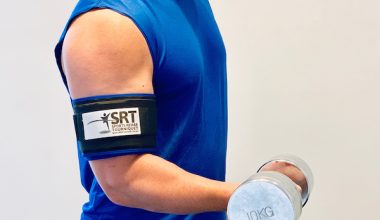
Blood Flow Restriction (BFR) strength training is a new option in rehabilitation for those needing to increase muscle size and strength, and who also need to reduce the...
Learn More
Over the last 25 years, the overwhelming evidence has shown that resistance training for children and adolescents has a number of significant benefits, including injury prevention, improved athletic...
Learn More
Managing Common Health Concerns with Physiotherapy Physiotherapy is an essential part of allied health care, offering a hands-on and evidence-based approach to managing a wide range of health...
Learn More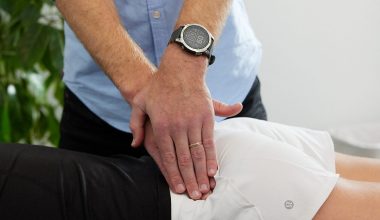
Understanding Australia’s Most Common Physiotherapy Conditions: What We See Every Day As physiotherapists here at Malvern Physiotherapy Clinic, we’re often asked about the types of conditions we treat...
Learn MoreUnderstanding Australia’s Most Common Physiotherapy Conditions: What We See Every Day As physiotherapists here at Malvern Physiotherapy Clinic, we’re often asked about the types of conditions we treat...
Learn MoreBlood Flow Restriction (BFR) strength training is a new option in rehabilitation for those needing to increase muscle size and strength, and who also need to reduce the...
Learn More
To assess, diagnose and manage musculoskeletal conditions Through video-link, your physiotherapist will be able to go through a thorough history of what your complaint is, how it started,...
Learn MoreThe start of the new school year has arrived and as a parent you want to ensure your child has the best possible experience. One important aspect is...
Learn More
How Technology like Hand-held Dynamometry is Changing Recovery Technological innovation is rapidly reshaping healthcare—and physiotherapy is no exception. One of the most significant advancements in recent years is...
Learn MoreRunning technique has become a hot topic recently with a growing trend towards ‘barefoot’ running and forefoot strike. The popular book “Born to Run” by Christopher McDougall along...
Learn More
Osgood-Schlatter Disease Osgood-Schlatter Disease is a common condition that affects the knees, primarily in adolescents, particularly during growth spurts. It is characterised by pain, swelling and tenderness just...
Learn MoreSwimming is a fantastic sport that most Australians are introduced to learn at a young age. Programs such as Nippers at surf life saving clubs and other swim...
Learn MoreIn only 5 minutes a day, you can still make a difference to how great you feel & your long-term health! Does your desired exercise routine keep getting...
Learn MoreCongratulations to all those who participated in the Nike Melbourne Marathon Festival this past weekend. Runners of all ages and abilities came together to push their limits and...
Learn More
What is hypermobility? Hypermobility refers to excessive joint laxity and range of motion. There are numerous causes of joint hypermobility, including genetic factors or development after trauma/ injury....
Learn More
Comparing Musculoskeletal and Sports Physiotherapy: Which One Do You Need? When seeking physiotherapy, it can be helpful to understand the different areas of expertise within the profession. While...
Learn More
Why Real-Time Ultrasound Is a Game-Changer for Muscle and Joint Health Real-Time Ultrasound (RTUS) has emerged as an innovative, highly effective tool in physiotherapy, transforming the way we...
Learn More
Desk-related neck and shoulder pain is usually caused by sustained positions, not enough movement, and a workstation that isn’t set up for you, rather than “bad posture” alone....
Learn More
With a new school year already upon us, there are a few things you can do to help your child prepare and ensure a safe, active and healthy...
Learn More