BLOG
Myotherapy and Massage for Sciatica: What Helps, and When to Get Assessed
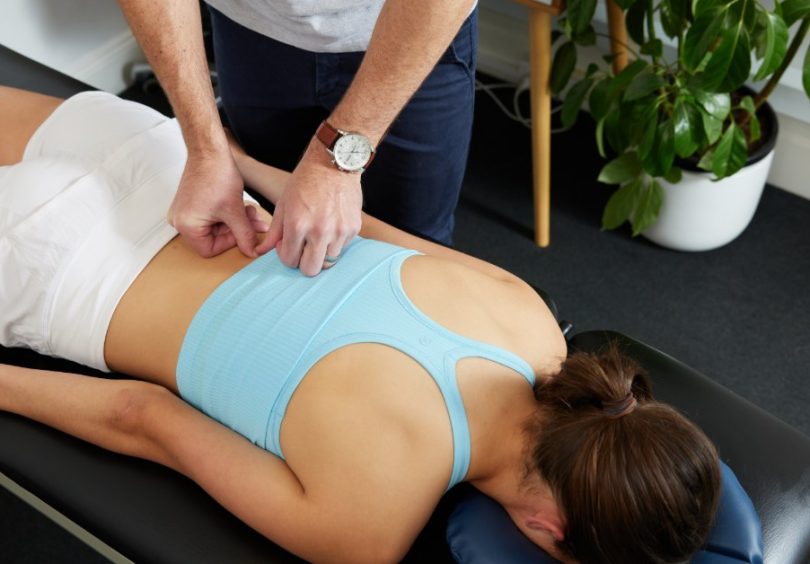

By Vladimir Margolin, Myotherapist and Remedial Massage Therapist, Malvern Physiotherapy Clinic
Myotherapy and remedial massage may help ease the muscle tension, guarding and stiffness that commonly accompany sciatica, and many people find sessions make them more comfortable and more able to move. Soft tissue treatment does not treat nerve compression itself, so an assessment is important to establish what is causing your symptoms and whether other care is needed alongside it.
Sciatica is one of the more distressing things people come in with. Pain that runs from the lower back or buttock down the leg, sometimes with pins and needles or numbness, has a way of taking over your week. It is also frequently misunderstood, so let’s be clear about what soft tissue treatment can realistically offer.
Sciatica is a description of a symptom, not a diagnosis in itself. It refers to pain travelling along the path of the sciatic nerve, which runs from the lower back through the buttock and down the back of the leg.
The Better Health Channel explains that sciatica results from pressure on the nerve, and lists causes including a bulging or prolapsed disc, a pinched nerve, narrowing of the nerve tunnels associated with osteoarthritis, and disc degeneration with age.
Not all sciatic pain starts in the spine. Piriformis syndrome is one example. In this condition there is no central disc issue. Instead, the piriformis muscle, which sits deep in the buttock, becomes overtightened and presses on the sciatic nerve where it passes nearby. Piriformis syndrome often responds well to myotherapy or remedial massage, following an assessment to confirm this is what is driving your symptoms.
That distinction matters. Two people with identical leg pain can have quite different underlying causes, and therefore quite different management. Which is why “what helps sciatica” is a question best answered after someone has looked at you.
Healthdirect describes pain that may radiate from the buttock to the knee or foot, sometimes with lower back pain, numbness or weakness. It commonly worsens with coughing, sneezing, twisting or bending, and typically affects one side only.
Other things people notice:
They can help with parts of the picture. Being straight about which parts is more useful than overpromising.
What soft tissue treatment may help with:
What it does not do:
Where treatment fits best is usually alongside the active side of management. As Massage and Myotherapy Australia, the peak body for both professions, sets out, myotherapy involves assessment as well as treatment, and works within a broader plan of care.
Both work with soft tissue, and both can be appropriate. The difference lies in the breadth of assessment and the range of techniques.
Remedial massage is assessment-led hands-on treatment focused on specific muscles and soft tissue, and it can be very effective for the muscular tension that accompanies sciatica.
Myotherapy involves additional training in anatomy, physiology and pathology, and a wider technique set that may include trigger point therapy, dry needling, myofascial release, cupping, joint mobilisation, assisted stretching, exercise prescription and load management advice.
For nerve-related leg pain specifically, that broader assessment and technique range is often useful. That said, the better fit depends on your presentation and your preference. We have written a fuller comparison in our post on remedial massage versus myotherapy, and our team can help you choose at your first visit.
Alongside hands-on treatment, the evidence-informed basics matter a great deal.
Keep moving within tolerance. Better Health Channel is direct on this point: complete bed rest may exacerbate the condition, and staying active is preferable. Short, frequent walks usually beat long periods sitting or lying.
Break up sitting. Sitting tends to be the least comfortable position for many people with sciatica. Standing and moving briefly every 30 to 45 minutes is a small change that adds up.
Pace, do not push through. Sharp increases in symptoms, particularly increased numbness or weakness, are a sign to back off and get reviewed.
Give it time. Better Health Channel notes that most cases of sciatica resolve within six weeks to three months. That is longer than anyone wants to hear, but it is genuinely reassuring, because it means the trajectory for most people is toward improvement.
Build capacity as symptoms settle. Once the acute phase eases, gradually rebuilding strength and control through the trunk, hips and legs is what tends to reduce the chance of a repeat. Clinical Pilates is one supervised way to do this, and our physiotherapy team can guide the progression.
Please see a doctor or attend an emergency department promptly, rather than booking soft tissue treatment, if you experience any of the following. Healthdirect lists these as requiring urgent care:
These are uncommon, but they matter, and no responsible therapist will work around them.
It is also worth booking a physiotherapy assessment rather than heading straight to the table if your symptoms have lasted more than a few weeks without improving, if you have noticeable leg weakness, or if this is a recurring pattern rather than a first episode. Our physiotherapists and myotherapists work together at the Malvern East clinic, so it is straightforward to move between the two or to combine them.
Your session starts with a conversation and an assessment. Your therapist will ask about where the pain travels, what makes it better or worse, how long it has been going, and whether you have any of the symptoms above that need medical review first.
From there, treatment is tailored. It may include soft tissue work through the lower back, gluteals and hamstrings, trigger point techniques, cupping, gentle mobilisation, and stretching. Your therapist will explain what they are doing and check in on comfort as they go. You will usually leave with a small amount of homework, such as a position of comfort, a walking plan or one or two specific stretches.
Treatment recommendations will depend on your individual presentation, and how you respond guides what happens next.
Can massage help sciatica?
It may help with the associated muscle tension, guarding and general discomfort, and many people find it makes moving easier. It does not treat nerve compression itself, so it works best alongside an assessment and an active plan.
Is myotherapy good for sciatica?
Myotherapy involves broader assessment and a wider technique range than remedial massage alone, which is often useful for nerve-related leg pain. Whether it suits you depends on your presentation, and an assessment will clarify that.
Should I see a physiotherapist or a myotherapist for sciatica?
If you have leg weakness, numbness, or symptoms lasting more than a few weeks, start with a physiotherapy assessment. If the main issue is muscular tension and discomfort, myotherapy or remedial massage is a reasonable starting point. At our clinic the two work alongside each other.
How long does sciatica take to settle?
Better Health Channel notes that most cases resolve within six weeks to three months. Individual recovery varies depending on the cause and other factors.
Is it safe to have a massage when I have sciatica?
For most people, yes, provided the red flag symptoms listed above are not present. Tell your therapist exactly where the pain travels and whether you have any numbness or weakness, so treatment can be adjusted appropriately.
Should I rest or keep moving with sciatica?
Staying active within a tolerable range is generally preferable. Better Health Channel notes that complete bed rest may make things worse.
If sciatic pain has been making your days harder, an assessment is the sensible first step, and we can tell you quickly whether soft tissue treatment is a good fit or whether something else should come first.
Book online at malvernphysio.janeapp.com or call our team on 03 9078 8434. We are at 299 Wattletree Road, Malvern East VIC, an easy trip from Malvern, Armadale, Toorak, Glen Iris and across Stonnington. No referral is needed.
Vladimir Margolin is a Myotherapist and Remedial Massage Therapist at Malvern Physiotherapy Clinic. He holds a Diploma of Remedial Massage from RMIT University and completed his myotherapy training in 2023. Vlad brings over 20 years of experience in health and movement, including classical ballet training at the Bolshoi Ballet Academy in Moscow, 14 years in optometry practice, and earlier remedial massage work while studying medicine in Russia. His treatment interests include remedial and sports massage, deep tissue work, relaxation massage, taping and cupping, and he brings a holistic understanding of how the body moves to his work at the clinic’s Malvern East practice.
This article is general information only and is not a substitute for individual assessment or advice. Please book an appointment so we can tailor recommendations to you. Practitioners at Malvern Physiotherapy Clinic are registered with the Australian Health Practitioner Regulation Agency (AHPRA) or with their relevant professional association.
Published September 29, 2026
Clinical Pilates is an incredibly popular form of stability and control-focused exercise. The origins of Pilates date back to World War I where one Joseph Pilates, who the...
Learn More
Tradies and manual workers can prevent and manage back and shoulder pain by warming up before heavy work, lifting with the legs and keeping loads close to their...
Learn More
“Core”…what does it even mean? The concept of “core” means different things to different professions. Core can refer to the abdominal muscles, pelvic floor muscles, the muscles that...
Learn More
Why Real-Time Ultrasound Is a Game-Changer for Muscle and Joint Health Real-Time Ultrasound (RTUS) has emerged as an innovative, highly effective tool in physiotherapy, transforming the way we...
Learn More
Chronic Pain and Physiotherapy: What You Need to Know Living with chronic pain can be exhausting. Unlike acute pain, which usually resolves as the body heals, chronic pain...
Learn More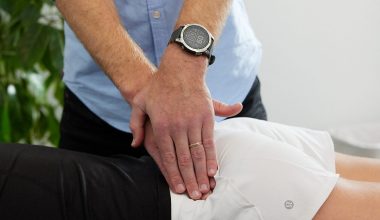
Understanding Australia’s Most Common Physiotherapy Conditions: What We See Every Day As physiotherapists here at Malvern Physiotherapy Clinic, we’re often asked about the types of conditions we treat...
Learn More
Have you ever had an episode of low back pain? Well, you are not alone! Low back pain (LBP) is a common condition that affects 80% of the...
Learn More
As thousands of students start the school year, physiotherapist Hina Chauhan discusses why heavy backpacks can be detrimental to young developing bodies. What sort of problems can school...
Learn More
The start of the new school year has arrived and as a parent you want to ensure your child has the best possible experience. One important aspect is...
Learn More
Dry Needling vs. Acupuncture: Key Differences, Similarities, and Where They Overlap If you’ve ever explored options for managing pain, muscle tightness, or chronic conditions, you’ve probably come across...
Learn More
Finding the Best Physiotherapy Near You: A Local Guide If you’ve ever searched “physiotherapy near me” online, you’re not alone. In Australia, thousands of people search this term...
Learn More
With a new school year already upon us, there are a few things you can do to help your child prepare and ensure a safe, active and healthy...
Learn More
Are you suffering from a sore back? If so, you are not alone. Back pain is experienced by 70-80% of adults at some point in their lives. Fortunately,...
Learn More
When to Seek Specialist Physiotherapy for Persistent Pain If you’ve been living with pain for months – or even years – and still don’t have a clear...
Learn More
The Essential Role of a Specialist Physiotherapist in Your Rehabilitation When recovering from an injury or managing a complex musculoskeletal condition, expert care can make all the difference....
Learn More
Posture is a frequent topic of discussion for physiotherapists at Malvern Physiotherapy Clinic, clients, the media and society. A common belief is that spinal pain is caused by...
Learn More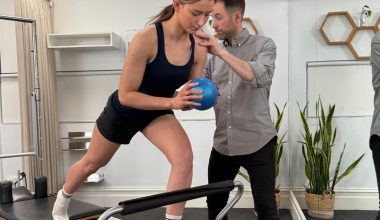
Clinical Pilates: Strengthening Your Core for Injury Prevention Clinical Pilates is a highly effective, physiotherapist-led approach to improving strength, stability and movement control. At Malvern Physiotherapy Clinic,...
Learn More
Can Stretching Reduce Muscle Injury Risk? What the Evidence Really Says Flexibility exercises are often recommended to improve movement, reduce tightness, and support recovery. However, many people...
Learn More
How Can Real-Time Ultrasound Improve Muscle Activation and Recovery? At Malvern Physiotherapy Clinic, we use Real-Time Ultrasound (RTUS) as an assessment and rehabilitation tool to help patients...
Learn More
Comparing Musculoskeletal and Sports Physiotherapy: Which One Do You Need? When seeking physiotherapy, it can be helpful to understand the different areas of expertise within the profession. While...
Learn More
Understanding and Managing Low Back Pain Low back pain is an incredibly common issue that affects around 80% of people at some point in their lives. Whether...
Learn More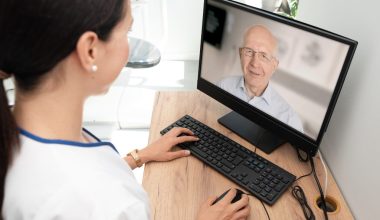
To assess, diagnose and manage musculoskeletal conditions Through video-link, your physiotherapist will be able to go through a thorough history of what your complaint is, how it started,...
Learn MoreBy Kristi Smith, Physiotherapist, Malvern Physiotherapy Clinic The main difference between Clinical Pilates and traditional Pilates is the assessment and who runs the session. Clinical Pilates is delivered...
Learn More
Pelvic Floor Muscles – Where are they? What do they do? You may have heard the pelvic floor muscles mentioned in the same sentence as having a baby...
Learn More
One of the most common misconceptions when working with a physio is that your treatment is limited to your appointment. In fact, one of the most crucial elements...
Learn More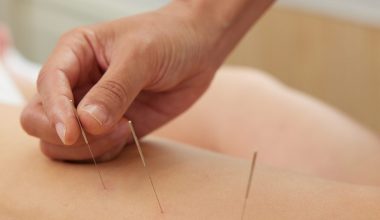
Remedial Massage vs Myotherapy: What’s the Difference in Malvern East? If you’re searching for remedial massage in Malvern East or comparing myotherapy in Malvern East, you’re likely...
Learn More
Have you or someone you know been diagnosed with arthritis? Have you had a scan showing “bone on bone” or been told you’ll inevitably need a joint replacement?...
Learn More
Training programs set for professional athletes have changed over time as physiotherapists and the sports medicine profession improve their knowledge about how the body responds to exercise. Not...
Learn MoreDry Needling vs. Acupuncture: Key Differences, Similarities, and Where They Overlap If you’ve ever explored options for managing pain, muscle tightness, or chronic conditions, you’ve probably come across...
Learn More
As I write this article, we Melburnians have been locked down for over 240 days since the pandemic began in 2020. It is a burden we could never...
Learn More
One of the most influential recent developments in sports medicine’s understanding of human physiology has been grasping the effect that load has on tissue. When I speak of...
Learn More
Congratulations to all those who participated in the Nike Melbourne Marathon Festival this past weekend. Runners of all ages and abilities came together to push their limits and...
Learn More
Sports injury prevention physiotherapy focuses on building strength, managing training load, prioritising recovery, and addressing early warning signs before minor issues become significant injuries. Research supports progressive strength...
Learn More
Bladder leakage (urinary incontinence) is not normal. Despite the marketing campaigns from sanitary pad companies, women and men can resolve their urinary leakage in most cases. They do...
Learn More
Relieve Muscle Tension and Revitalize Your Body Are you tired of dealing with stubborn knots and annoying aches that just won’t go away? Look no further! Spikey massage...
Learn MoreClinical Pilates is an incredibly popular form of stability and control-focused exercise. The origins of Pilates date back to World War I where one Joseph Pilates, who the...
Learn More