Book a Remedial Massage Appointment in Malvern
If you’re looking for remedial massage in Malvern or Malvern East, our team is here to help.
Book a remedial massage appointment today.

A therapy refined over thousands of years, remedial massage focuses on restoring normal muscle function, improving circulation, and reducing pain.
At Malvern Physiotherapy Clinic, remedial massage is delivered within a physiotherapy-led environment. This means your treatment is guided by assessment, not a standard routine. Our therapists work closely with physiotherapists to ensure each session targets the underlying cause of your symptoms, not just the surface tension.
Whether you’re managing pain, recovering from injury, or dealing with ongoing muscle tightness, remedial massage can play an important role in your recovery.
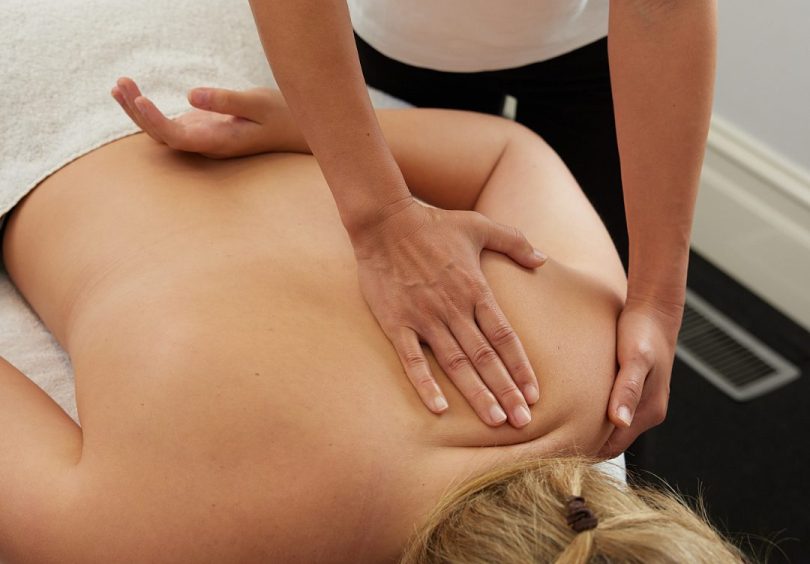
Remedial massage is a targeted treatment designed to improve blood flow, offload joints and tissue in the body by reducing muscle tension and support tissue repair. At our Malvern East clinic, treatment is guided by an individual assessment and can be integrated with physiotherapy to support recovery and long-term results.
Even if you’re not currently managing an injury, remedial massage can help reduce day-to-day muscle tension and support your physical health.
Our therapists use a combination of techniques depending on your presentation:
Remedial Massage
Remedial Massage stimulates blood flow in the body, assisting in the repair of damaged tissue as well as alleviating tight or tense muscles. Remedial Massage can be great in assisting the treatment of conditions such as sporting injuries, headaches, muscle cramps and lower back pain.
Sports Massage
Sports Massage is a great supplementary treatment for athletes of all levels. It can help to enhance sporting performance, assist in recovery and aid in the treatment and prevention of injury. It may also help identify areas of muscle tightness or imbalance early, reducing the risk of future injury. Sports massage is often used to prepare for an event and also as a regular treatment throughout training to reduce recovery times, especially in higher-demand training blocks.
Relaxation Massage
Relaxation massage offers a gentle, calming treatment designed to reduce everyday stress and muscle tension. It involves a more gentle approach and is used to promote overall well-being. Relaxation Massage can also be useful in resolving headaches, anxiety, muscle tension and fatigue.
Pregnancy Massage
Throughout pregnancy, it’s common to experience aches and pains as your body adapts to changes in posture, load and hormone levels. Along with the changing stresses on the body, there is also a release of hormones to help the body prepare for the birthing process. Pregnancy massage at Malvern Physio is tailored to each stage, with our Therapist adjusting positioning and techniques to ensure comfort and safety in every trimester. Treatment is gentle and targeted, aiming to reduce muscle tension, ease discomfort and support you as your body changes.
Cupping
Cupping is a technique commonly used by massage therapists and myotherapists. It involves placing cups on the skin to create gentle suction, helping to increase blood flow to the area. Cupping can assist in reducing muscle tension, supporting tissue repair, and improving circulation.
Remedial massage and Myotherapy appointments are available in 30, 45, 60 and 90-minute sessions. All of our therapists are qualified remedial massage therapists, allowing you to claim a private health insurance rebate if your extras cover includes this service.
At Malvern Physiotherapy Clinic, remedial massage is delivered within a physiotherapy-led environment. Your therapist works closely with physiotherapists, ensuring treatment is guided by assessment and aligned with your individual presentation.
This approach allows remedial massage to be integrated into a broader physiotherapy plan where appropriate, supporting more targeted care. Rather than following a standard routine, treatment is based on clinical reasoning and adapted to your needs, whether you’re managing muscle tension, recovering from injury, or addressing ongoing pain.
Remedial massage and myotherapy both focus on treating soft tissue pain and muscle tension, but they differ in approach and scope.
Remedial massage is typically used to reduce muscle tightness, improve circulation, and support general recovery. It’s well suited for managing day-to-day tension, mild discomfort, or as part of ongoing maintenance.
Myotherapy involves a higher level of clinical assessment and may include techniques such as trigger point therapy, dry needling, and exercise prescription. It is often more appropriate for chronic, recurring or more complex conditions where a structured treatment plan is required.
If you’re unsure which is right for you, our team can guide you based on your symptoms and goals.
Learn more about myotherapy at our Malvern clinic.
Or read our recent blog: Remedial Massage vs Myotherapy Malvern East blog
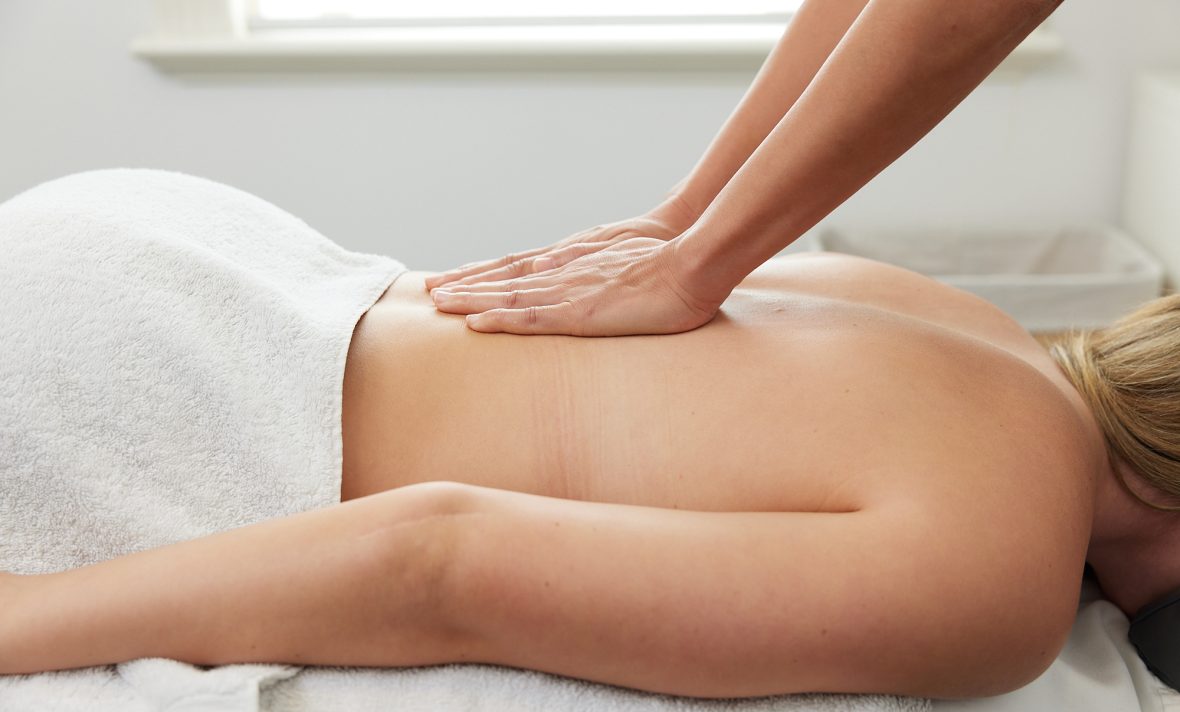
Remedial massage is a targeted treatment designed to address specific areas of muscle tension, pain or dysfunction. It is guided by assessment and focuses on improving movement and supporting recovery. Relaxation massage uses lighter techniques and is generally aimed at reducing overall stress and promoting relaxation.
The frequency of treatment depends on your symptoms, goals and response to care. Some people benefit from a short course of regular sessions, while others attend as needed for maintenance or to manage ongoing tension.
Deep tissue massage is a technique that involves applying sustained pressure to deeper layers of muscle. Remedial massage is a broader treatment approach that may include deep tissue techniques, along with other methods, depending on your presentation.
Yes, remedial massage can be adapted during pregnancy. Treatment is modified based on each trimester, with careful consideration of positioning, pressure and technique to ensure comfort and safety. Your therapist will assess suitability before treatment.
Appointments are available in 30, 45, 60 and 90-minute sessions. Your therapist can recommend an appropriate session length based on your needs and treatment goals.
If you’re looking for remedial massage in Malvern or Malvern East, our team is here to help.
Book a remedial massage appointment today.

Our highly experienced team of physiotherapy practitioners are committed to treating and improving your movement. With the specific training, knowledge and skills to diagnose and treat a wide range of conditions, our team not only focusses on treating your injury but also on helping you to understand how recurrences can be avoided in future.
Learn More
See what your muscles are doing in real time with our ultrasound machine. This is one of the best ways to learn how to activate deep muscles and make sure your body is getting the support it needs.
Learn More
Led by physiotherapists, our Clinical Pilates classes aim to promote movement and strengthening to people of all fitness levels. Whether you're recovering from injury, wanting to learn more about your body, wanting to prevent future injury through strengthening your body or returning to physical activity after time off, we have a Clinical Pilates class or service to help.
Learn More
A service offered by all of our physiotherapists and myotherapists, dry-needling involves inserting an acupuncture needle through the skin into a tight muscle to help it relax.
Learn More
Working to stimulate blood flow in the body, Remedial Massage assists in the repair of damaged tissue while also alleviating tightness and tension in the muscles. A practice refined over thousands of years, Remedial Massage is an effective treatment for conditions such as sporting injuries, headaches, muscle cramps and lower back pain.
Learn More
We're proud to offer the services of a Specialist Musculoskeletal Physiotherapist FACP. The highest level of clinical training with only 15 practitioners holding this title in Victoria, Specialist Physiotherapy may be the solution for those suffering from more complex conditions such as persistent low back pain, neck pain, headache and dizziness, and pain conditions such as fibromyalgia.
Learn More
Using one of the latest tools to measure muscle strength and function, this strength assessment helps to ascertain any weaknesses in the body and which exercises will be best to treat them.
Learn More
Get treatment and management for any health concerns such as pelvic floor dysfunction, incontinence, pre- and post-natal care and menopausal changes in the body. Work with our expert practitioner, who holds post-graduate training in pelvic floor physiotherapy.
Learn More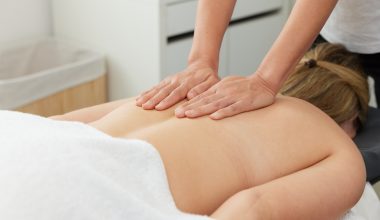
Encompassing treatments such as remedial massage, dry needling, cupping and manual trigger-point therapy, myotherapy offers a holistic, hands-on approach to treating your body. Our Myotherapists' extensive knowledge of anatomy and pathology allows them to tailor a treatment plan specific to your pain or injury.
Learn More
Let us guide you through exercises that are suitable at different stages of pregnancy and motherhood. Targeting conditions such as back pain, pelvic pain and pelvic floor concerns, we'll help you to build and maintain essential muscle strength to navigate the changes to your body both during and after pregnancy.
Learn More
If you have an upcoming surgery, we'll help you to prepare for your best chance of a successful recovery. We take the time to listen to you and educate you about what you'll experience, along with giving you specific exercises to strengthen the relevant muscles ahead of surgery.
Learn More
If you're recovering from major joint surgery, your physio will play a big role in your recovery. Operations such as a knee replacement, hip replacement, shoulder replacement, rotator cuff repair, shoulder stabilisation or knee reconstruction all require expert guidance. Let a physio at Malvern Physio help to plan your treatment at each stage of recovery to help you bounce back as quickly as possible.
Learn More
Get the expert advice and treatment of our practitioners from the comfort of your own home. Conducted via video link, receive the same standard of care as you would in our clinic including a movement assessment and self-management exercise program to treat your concern.
Learn More