BLOG
Chronic Pain and Physiotherapy: How Treatment and Education Can Help You Recover


Living with chronic pain can be exhausting. Unlike acute pain, which usually resolves as the body heals, chronic pain is a pain that persists for months or even years. It often impacts every part of life — from work and exercise to sleep and relationships. At Malvern Physiotherapy Clinic, we regularly support people living with chronic pain, helping them understand the function of experiencing pain, manage symptoms and improve function through evidence-based physiotherapy care.
Pain is defined by the International Association for the Study of Pain (IASP) as “an unpleasant sensory and emotional experience associated with, or resembling that associated with, actual or potential tissue damage“. Chronic pain is generally defined as pain lasting longer than three months, and as the definition above alludes to, may linger even after the original tissue damage or condition has healed. It may be ongoing or intermittent, and can occur in the back, neck, joints, muscles, or nerves. According to the Australian Institute of Health and Welfare, one in five Australians lives with chronic pain, and rates are higher among women and older adults (AIHW, 2020).
Chronic pain is complex and multifactorial — the body itself adapts to prolonged pain. This can include:
Understanding these changes is essential for both patients and physiotherapists, and is an important part of the recovery process.
Physiotherapists play a unique role in the management of chronic pain. We don’t just treat the body; we also provide education, guidance, and ongoing support to help patients navigate their recovery.
Here are some of the key ways physiotherapy can help:
A physiotherapist can assess whether a musculoskeletal injury, poor movement pattern, or postural factor is contributing to ongoing pain. Treatment might include manual therapy, tailored exercise, or targeted strengthening to restore mobility and function.
One of the most powerful tools in chronic pain management is education. Understanding why pain persists, and learning strategies to manage flare-ups, can reduce fear and empower patients. A strong therapeutic relationship allows patients to feel supported and understood throughout the process.
Movement is medicine. Motion is Lotion! A physiotherapist can design a safe, progressive exercise program to rebuild strength, endurance, and confidence in movement. This might involve clinical Pilates, functional strength training, or gentle mobility exercises.
Chronic pain is multifactorial. A physiotherapist may recommend working with other health professionals such as GPs, pain specialists, psychologists, or dietitians. This collaborative approach ensures all aspects of pain — physical, emotional, and social — are addressed.
If you are managing chronic pain, consider these practical steps alongside physiotherapy treatment:
At Malvern Physiotherapy Clinic, our team is experienced in supporting patients through every stage of chronic pain management. Whether your pain stems from an old injury, arthritis, post-surgical recovery, or no clear cause at all, we provide evidence-based treatment and compassionate support.
Our physiotherapists combine hands-on techniques, education, and exercise therapy, and when needed, we help connect you with other trusted health professionals. The goal is not just to reduce pain, but to improve quality of life, function, and independence.
Chronic pain is complex — but you don’t need to manage it alone. With the right support, knowledge, and treatment plan, you can regain control and keep moving forward.
👉 If you’re living with chronic pain, book an appointment with our physiotherapy team today. Book Online Here
Written by Alisa McLachlan
Alisa McLachlan is a Specialist Musculoskeletal physiotherapist at Malvern Physiotherapy Clinic with extensive experience in the management of complex and chronic pain conditions. With a strong background in musculoskeletal physiotherapy, she has worked with patients whose pain persists beyond the usual healing time, helping them navigate the physical and emotional challenges that come with long-term pain.
Believing strongly in a multidisciplinary approach, Alisa collaborates closely with GPs, psychologists, and pain specialists to ensure her patients receive comprehensive care. Her calm, supportive approach helps patients feel understood, informed, and actively involved in their recovery journey.
Published October 6, 2025

Understanding Running Injuries: Why They Happen and Where They Show Up Running places repetitive mechanical load through the same tissues, often thousands of times per session. Because...
Learn More
Sports Injuries: Prevention, Recovery and Performance Sports injuries affect people of all ages, fitness levels, and abilities. While athletes often perform at higher levels of strength and function,...
Learn More
A pain in ones foot can start off as a small discomfort but after a day of walking, jogging, or even standing in high heels, a small issue...
Learn More
Shoulder Pain Malvern: How Physiotherapy Can Help You Recover Shoulder pain can significantly impact your daily activities, from simple tasks like reaching overhead to more complex movements involved...
Learn More
Written by Mark Fotheringham, Principal Physiotherapist, Malvern Physiotherapy Clinic There is no single right choice for everyone. Physiotherapy suits people wanting assessment, diagnosis and an evidence-based plan. Chiropractic...
Learn More
If you’ve suffered a soft injury in the past – even a garden variety strain or sprain – chances are you’ve been advised to use the RICE method...
Learn More
Everybody will have experienced a time when they have an important event coming up, and the last thing they could possibly want is an injury. So, how can...
Learn More
Clinical Pilates: Strengthening Your Core for Injury Prevention Clinical Pilates is a highly effective, physiotherapist-led approach to improving strength, stability and movement control. At Malvern Physiotherapy Clinic,...
Learn More
Comparing Musculoskeletal and Sports Physiotherapy: Which One Do You Need? When seeking physiotherapy, it can be helpful to understand the different areas of expertise within the profession. While...
Learn More
Dry Needling vs. Acupuncture: Key Differences, Similarities, and Where They Overlap If you’ve ever explored options for managing pain, muscle tightness, or chronic conditions, you’ve probably come across...
Learn More
Can Stretching Reduce Muscle Injury Risk? What the Evidence Really Says Flexibility exercises are often recommended to improve movement, reduce tightness, and support recovery. However, many people...
Learn More
Debunking Myths About Remedial Massage: How It Supports Pain Relief and Recovery Remedial massage is a powerful tool in managing pain, improving movement, and supporting recovery from...
Learn More
Total knee replacement (TKR) ranks among the most commonly performed orthopaedic surgeries, with over 50,000 procedures annually in Australia. This figure is projected to rise substantially in the...
Learn More
You may have heard about Pilates from a friend or even had a recommendation from your doctor. Pilates has gained immense popularity over the years. It offers a...
Learn More
How Pre and Post-Operative Physiotherapy Prepares Your Body for Surgery Introduction Undergoing surgery is a significant event, and ensuring your body is well-prepared can make a remarkable difference...
Learn More
Pain on the side of your hip? It could be due to trochanteric bursitis. This is the inflammation or swelling of the bursa (fluid-filled sack) that sits in...
Learn More
Understanding Australia’s Most Common Physiotherapy Conditions: What We See Every Day As physiotherapists here at Malvern Physiotherapy Clinic, we’re often asked about the types of conditions we treat...
Learn More
Managing Common Health Concerns with Physiotherapy Physiotherapy is an essential part of allied health care, offering a hands-on and evidence-based approach to managing a wide range of health...
Learn More
Osteoarthritis is the breakdown and erosion of cartilage that overlies bone within a joint. This process results in inflammation within the joint, and is often felt as pain...
Learn More
Finding the Best Physiotherapy Near You: A Local Guide If you’ve ever searched “physiotherapy near me” online, you’re not alone. In Australia, thousands of people search this term...
Learn More
Understanding Inflammation: What It Is and How Physiotherapy Can Help Inflammation is a natural response in the body, playing a crucial role in healing and recovery. However, when...
Learn More
The Benefits of Physiotherapy for Seniors: Stay Strong, Mobile and Independent As we age, our bodies change – but that doesn’t mean strength, mobility or independence are out...
Learn More
As cycling is a very repetitive sport, any injuries that occur tend to be related to overuse and can usually be attributed to inadequate bike setup, training volume...
Learn More
How Technology like Hand-held Dynamometry is Changing Recovery Technological innovation is rapidly reshaping healthcare—and physiotherapy is no exception. One of the most significant advancements in recent years is...
Learn More
Relieve TMJ pain with expert physiotherapy at Malvern Physiotherapy If you’ve ever experienced pain, clicking, or difficulty moving your jaw, known as the temporomandibular joint or TMJ, you...
Learn More
Discover everything you need to know about physiotherapy, what physiotherapists do, how they help, and when you should seek advice from a physio. Our warm and friendly team...
Learn More
Keith recently attended the Sporting Hamstring course conducted by Geelong Cats head physio Mark Young and AIS track and field physio Ben Raysmith and provides insight into how...
Learn More
An ankle sprain is one of the most common injuries affecting the foot and ankle, particularly during sport or when walking on uneven ground. It occurs when the...
Learn More
Sports injury prevention physiotherapy focuses on building strength, managing training load, prioritising recovery, and addressing early warning signs before minor issues become significant injuries. Research supports progressive strength...
Learn More
One of the most influential recent developments in sports medicine’s understanding of human physiology has been grasping the effect that load has on tissue. When I speak of...
Learn More
Ski Season Ready: Injury Prevention and Knee Strength for the Slopes How to prepare your body – and especially your knees – before you hit the snow,...
Learn More
Why Clinical Pilates is Perfect for Every Body Clinical Pilates is a fantastic option for exercise based rehab, as it offers a tailored, evidence-based method to help individuals...
Learn More
Bursitis is commonly diagnosed as the cause of pain in many areas of the body; you may have heard of it when people discuss their shoulder or hip....
Learn More
Our bones make slight changes to their architecture every day. This process is called remodelling and it occurs in response to the pressures and forces we put on...
Learn More
The Essential Role of a Specialist Physiotherapist in Your Rehabilitation When recovering from an injury or managing a complex musculoskeletal condition, expert care can make all the difference....
Learn More
Osgood-Schlatter Disease Osgood-Schlatter Disease is a common condition that affects the knees, primarily in adolescents, particularly during growth spurts. It is characterised by pain, swelling and tenderness just...
Learn More
How Can Real-Time Ultrasound Improve Muscle Activation and Recovery? At Malvern Physiotherapy Clinic, we use Real-Time Ultrasound (RTUS) as an assessment and rehabilitation tool to help patients...
Learn More
Hamstring 101 for Footy Season: When to See a Physio and When to Rest A practical, evidence-informed guide for footballers across Malvern, Malvern East, Armadale, Toorak, Glen...
Learn More
Why Real-Time Ultrasound Is a Game-Changer for Muscle and Joint Health Real-Time Ultrasound (RTUS) has emerged as an innovative, highly effective tool in physiotherapy, transforming the way we...
Learn More
What is Osteoporosis? Osteoporosis is a medical condition diagnosed in individuals with low bone mineral density. The current definition is those with bone mineral density that is greater...
Learn More
One of the most common misconceptions when working with a physio is that your treatment is limited to your appointment. In fact, one of the most crucial elements...
Learn More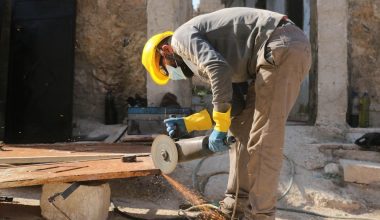
Tradies and manual workers can prevent and manage back and shoulder pain by warming up before heavy work, lifting with the legs and keeping loads close to their...
Learn More
One of the most common questions we get as a diagnosing practitioner is “Do I need a MRI, I’ve been told I should get a scan?”. There is...
Learn More
What is it? The fascia is a tough, fibrous connective tissue that supports the arch of the foot and transmits forces. It’s intricately attached to the heel, toes,...
Learn MoreCan Stretching Reduce Muscle Injury Risk? What the Evidence Really Says Flexibility exercises are often recommended to improve movement, reduce tightness, and support recovery. However, many people...
Learn More
The shoulder joint also known as the glenohumeral joint is highly mobile. This allows for the greatest range of possible places your functional hand can access. It achieves...
Learn MoreAn ankle sprain is one of the most common injuries affecting the foot and ankle, particularly during sport or when walking on uneven ground. It occurs when the...
Learn MoreHamstring 101 for Footy Season: When to See a Physio and When to Rest A practical, evidence-informed guide for footballers across Malvern, Malvern East, Armadale, Toorak, Glen...
Learn MoreAs cycling is a very repetitive sport, any injuries that occur tend to be related to overuse and can usually be attributed to inadequate bike setup, training volume...
Learn More
“Do you think that my headaches are coming from my neck?” This is a typical question that physiotherapists get asked on a regular basis. Cervicogenic headaches (neck-related headaches)...
Learn MoreOsgood-Schlatter Disease Osgood-Schlatter Disease is a common condition that affects the knees, primarily in adolescents, particularly during growth spurts. It is characterised by pain, swelling and tenderness just...
Learn MoreHow Technology like Hand-held Dynamometry is Changing Recovery Technological innovation is rapidly reshaping healthcare—and physiotherapy is no exception. One of the most significant advancements in recent years is...
Learn MoreBy Kristi Smith, Physiotherapist, Malvern Physiotherapy Clinic The main difference between Clinical Pilates and traditional Pilates is the assessment and who runs the session. Clinical Pilates is delivered...
Learn More
Here are the increased clinic hygiene practices we have implemented due to the current climate with COVID-19. Encouraging staff and patients to practice physical distancing where applicable Implement...
Learn More
“Core”…what does it even mean? The concept of “core” means different things to different professions. Core can refer to the abdominal muscles, pelvic floor muscles, the muscles that...
Learn More
Understanding and Managing Low Back Pain Low back pain is an incredibly common issue that affects around 80% of people at some point in their lives. Whether...
Learn MoreOur bones make slight changes to their architecture every day. This process is called remodelling and it occurs in response to the pressures and forces we put on...
Learn More
Have you or someone you know been diagnosed with arthritis? Have you had a scan showing “bone on bone” or been told you’ll inevitably need a joint replacement?...
Learn MoreYou may have heard about Pilates from a friend or even had a recommendation from your doctor. Pilates has gained immense popularity over the years. It offers a...
Learn More